Meta AI Image Generator
Meta AI Image Generator... Well... That's Not Terrifying At All.
So, go ahead and add another entry to the ever-expanding encyclopedia of Reasons Meta Sucks.
This week's exhibit? Meta's shiny new feature called Muse Image.
If you've somehow managed to avoid hearing about it, and frankly, I envy your blissful ignorance, here's the condensed version.
Users on Instagram can now mention someone else's username, ask Meta AI to generate an image using that person's likeness, and the system will pull from their public photos to create something new.
Read that sentence again.
Not your own likeness.
Someone else's.
Because apparently we've collectively decided that the biggest problem facing humanity was the lack of AI-generated versions of our friends, coworkers, exes, neighbors, and that one guy who comments on every post with "First."
What could possibly go wrong?
If your mind immediately started sprinting through a thousand worst-case scenarios, congratulations. Your pattern-recognition software is functioning normally.
Unfortunately, we are no longer living in an era where companies ask, "Should we build this?"
Instead, they ask, "Can we ship this before the next quarterly earnings call?"
 The distinction matters.
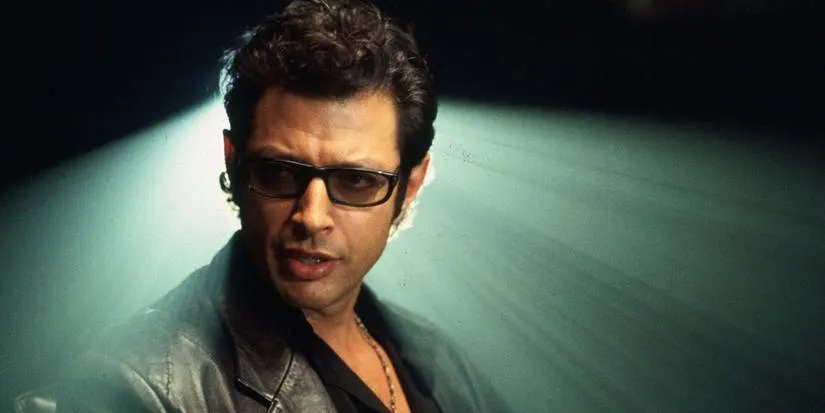
Technology companies have become convinced that the mere existence of an idea is justification enough to release it into the wild. Who knew a single quote from Jurassic Park would be so prophetic today?
Every new AI announcement follows the same script.
"Look what our model can do!"
Very little time is spent asking what people will do with it.
Because people are wonderfully creative.
And also, occasionally, absolute gremlins.
Meta describes Muse Image like this:
"Whether you want to design a custom event invitation, mock up a collaborative creative concept, or generate a personalized graphic, tagging a username lets Meta AI use public photos to build a visual that's ready to post."
Corporate copywriters deserve awards for their ability to wrap dynamite in pastel-colored wrapping paper.
Read that statement and you'd imagine coworkers brainstorming birthday invitations or a neighborhood bake sale.
History suggests... something else.
We've already watched this movie.
When Grok loosened its guardrails, it didn't take long before users discovered they could generate explicit images of celebrities, politicians, fictional characters, everyday people, and, horrifyingly, even children. It became a case study in what happens when powerful image generation collides with the internet's least mature inhabitants.
The technology wasn't the only problem.
Human nature was.
So forgive me if Meta assuring us that everything will be fine doesn't exactly fill me with confidence.
Because here's the question nobody seems eager to answer.
What's stopping someone from asking Meta AI to put someone in revealing clothing?
Or no clothing?
Or compromising situations?
Or fake crime scenes?
Or political propaganda?
Or fabricated "evidence" of events that never happened?
The answer, we're told, is safeguards.
I've worked with software long enough to know that safeguards have an unfortunate habit of becoming speed bumps for people determined to misuse something.
And if there's one thing the internet has consistently demonstrated over the last thirty years, it's that someone, somewhere, is already trying to figure out how to break whatever safety system you just finished building.
As a photographer, this lands a little differently.
Photography has always carried an implicit agreement between creator and viewer.
Someone stands behind a camera.
Someone chooses the light.
Someone composes the frame.
Someone presses the shutter.
There's intention.
There's authorship.
There's craft.
When I upload my work online, I know I'm granting platforms certain licenses necessary to display and distribute those images. That's the bargain we've all reluctantly accepted.
But somewhere along the way, that agreement quietly evolved into:
"Thanks for uploading your life's work. We're also going to feed it into our AI systems."
That's... considerably less appealing.
I do not want my photographs training image generators.
I do not want years of creative work becoming statistical soup inside an algorithm.
And I especially don't want that happening simply because I chose to share my work on Instagram.
Yet here we are.
Legally, Meta has written itself an extraordinarily comfortable seat at the table.
Ethically?
That's a much murkier conversation.
So what do I do?
Honestly...
I don't know.
There's an increasingly loud part of me that wants to delete every photograph I've ever posted to Instagram, close the account, and quietly wander off into the woods where Wi-Fi signals fear to tread.
Would that stop AI?
Of course not.
The train has already left the station, picked up speed, and someone keeps shoveling venture capital into the engine.
But at least I wouldn't be handing over more coal.
I've said it before, and I keep coming back to the same thought:
This isn't the future we were promised.
I grew up believing technology was supposed to inspire wonder.
New computers felt magical.
Software updates were exciting because they introduced genuinely useful features, clever interfaces, or delightful little surprises. Companies competed to build better products, not merely louder ones.
Even the packaging had personality.
Opening a new gadget felt like opening the first page of an adventure novel.
Now?
Every company is racing toward exactly the same destination.
Everything has AI.
Everything has a chatbot.
Everything wants to summarize your emails, rewrite your messages, generate your photos, answer your questions, and somehow make your coffee while reminding you to subscribe to a premium plan.
Every product is slowly becoming the same beige bowl of technological oatmeal.
Perfectly optimized.
Perfectly data-driven.
Perfectly forgettable.
Maybe that's what disappoints me most.
I was there when the internet arrived in the mail on an AOL CD.
Back then, getting online felt like discovering an unexplored continent. Every website was somebody's weird little corner of the universe. It was messy, occasionally broken, deeply personal, and endlessly fascinating.
The web wasn't polished.
It was alive.
Now it increasingly feels like wandering through an endless shopping mall where every storefront has been replaced by the same AI-generated display window, curated by algorithms that know exactly how long you'll stare before scrolling.
Perhaps I'm becoming the old guy yelling at clouds.
That's entirely possible.
But I'd like to think there's still value in asking whether every technological advancement is actually progress.
Sometimes innovation isn't about doing something because you can.
Sometimes the more important question is whether you should.
And right now, that feels like a question the people building our digital future have quietly stopped asking.


The AI Obsession
The AI Obsession
Yesterday, I watched Good Luck Have Fun Don't Die and it was... unsettling.
Not horror-movie unsettling. Not jump-scare unsettling. More the kind of unsettling that sits quietly in the passenger seat of your brain afterward, occasionally clearing its throat while you're trying to think about something else.
If you haven't seen it, let me summarize the premise in a way that somehow manages not to spoil anything.
Summary: A man travels back from the future to recruit a team of misfits in order to prevent the creation of a sentient AI that will eventually wipe out humanity as we know it.
And yet, somehow, that summary tells you almost nothing about the movie.
Seriously. Go watch it. Then come back and tell me I'm wrong.
The film itself isn't really what disturbed me, though. What got under my skin was the way AI, and humanity's relationship with it, is discussed throughout the story. It felt less like science fiction and more like someone had wandered into a boardroom meeting, a technology conference, and a social media marketing seminar, then blended them together into a screenplay.
At this point, I assume there are still a handful of people somewhere on Earth who haven't heard the term AI. Maybe they're living happily in a cabin in the woods. Maybe they're on a fishing boat somewhere. Maybe they've simply achieved enlightenment and stopped reading headlines.
But if you're reading this blog, you've almost certainly heard of AI.
You couldn't avoid it if you tried.
AI is everywhere.
Every product has AI.
Every company has AI.
Every app has AI.
Every toaster is apparently one firmware update away from becoming self-aware and demanding voting rights.
We've reached a strange moment in history where companies are attaching the letters "A" and "I" to absolutely everything, whether artificial intelligence is involved or not. There seems to be a growing belief that if a product doesn't have AI, then it must somehow be outdated, incomplete, or inferior.
As though humanity collectively woke up one morning and decided that software wasn't enough anymore. It needed to sound like it had read three philosophy books and was planning a hostile takeover.
Let me give you a few examples.
A few weeks ago, I noticed several websites listing my camera, the Sony a7III, as having AI features.
Now, for those unfamiliar with camera history, the Sony a7III was released in early 2018. Back then, AI wasn't being sprinkled onto marketing materials like parmesan cheese at an Italian restaurant. It was just a remarkably good camera.
Yet somehow, sites like B&H, Amazon, and others had begun describing certain features as AI-powered.
They aren't.
The camera didn't magically become smarter while sitting on my shelf.
No secret update transformed it into a silicon philosopher.
The features were the same features it has always had. They had simply been renamed.
Why?
Because AI sells.
That's it.
That's the whole explanation.
People want AI, whether they understand it or not. Whether it provides value or not. Whether it actually exists or not.
It's the modern equivalent of putting "all-natural" on a bottle of water.
I see the same thing in my day job.
As some of you know, I work in software sales.
Not long ago, I was speaking with a prospective customer about a software platform.
At one point he asked me, "Does it have AI?"
The answer was no.
So I asked him a simple question:
"What would you want the AI to do?"
He paused.
Then admitted he wasn't sure.
He just wanted it to have AI.
So I asked again.
"What problem are you trying to solve? What would you want AI to accomplish for you?"
Again, no answer.
Not because he was uninformed or unintelligent. Quite the opposite. He was a smart guy.
But somewhere along the way, AI had become the goal rather than the tool.
It's a bit like walking into a hardware store and demanding a hammer without knowing whether you're building a deck, hanging a picture, or attempting to fight a bear.
The hammer isn't the objective.
The outcome is.
This morning brought another example.
I logged into WordPress and noticed a shiny new button proudly labeled "AI Link Genius."
Naturally, I clicked it.
I had to know.
Was this some revolutionary new technology?
Would it analyze my content and create intelligent pathways through my writing?
Would it achieve digital enlightenment?
No.
It checked links.
That's it.
It was the exact same feature that periodically scans my site looking for broken links and optimization opportunities.
A feature WordPress and related plugins have had for years.
The interface was the same.
The functionality was the same.
Everything was the same.
Someone had simply stapled the letters "AI" onto the front of it and sent it back into the world wearing a fake mustache.
Apparently that's innovation now.
To be fair, some of this madness appears to be fading.
The AI descriptions attached to the Sony a7III seem to have disappeared from many major retailers, and some original product descriptions have returned.
That's encouraging.
But the broader trend remains.
Every week another product emerges from the marketing laboratory wearing an AI sticker like a participation trophy.
It's exhausting.
Some days it makes me feel like the guy standing on a street corner wearing a tinfoil hat and muttering about the end times.
The difference is that the tinfoil hat guy is usually worried about aliens.
I'm worried about marketing departments.
Thankfully, I have photography.
Photography remains one of the few things that consistently pulls me back to reality.
A camera doesn't care about quarterly earnings reports.
Film doesn't care about investor presentations.
Light doesn't care about buzzwords.
The photons have no interest whatsoever in your product roadmap.
Recently, I've found myself spending less time scrolling through social media and more time looking at sculpture, classical art, and Renaissance paintings.
Many of them feature nudity, of course, but what fascinates me isn't the nudity itself.
It's the drapery.
The fabric.
The way cloth seems to float, twist, conceal, reveal, and guide the eye through an image.
The way marble somehow looks softer than skin.
The way painters managed to create movement from stillness.
I wanted to see if I could capture some of that feeling through photography.
Not recreate it exactly.
Just borrow a little of the language.
Translate it into a modern photograph.
Thankfully, Natalie was available and willing to help me indulge this particular artistic rabbit hole.
Armed with nothing more sophisticated than my decidedly non-AI Sony a7III, an Olympus mju-II, a Canon AE-1, and a collection of fabric that probably looked suspicious to anyone passing by, we set out to create something.
No prompts.
No generators.
No algorithms.
No machine learning.
Just two humans making art.
One of us standing behind the camera.
One of us standing in front of it.
I've only edited a small fraction of the images so far, and more can be found over on Patreon, but I'm genuinely proud of what we created.
They're beautiful.
Not because technology made them beautiful.
Not because software decided what beauty should look like.
They're beautiful because two people collaborated, experimented, failed a few times, laughed a few times, adjusted the fabric, adjusted the light, and kept creating until something clicked.
Maybe that makes me old-fashioned.
Maybe someday I'll be the guy yelling at clouds while wearing a tinfoil hat and clutching a film camera.
But at least I'll be making art.
And for now, that's enough.
Because despite all the marketing campaigns, all the buzzwords, all the promises that AI will inevitably transform every aspect of human existence, I still believe there is tremendous value in creating something with your own hands.
A photograph.
A painting.
A sculpture.
A story.
A conversation.
Things made by people remain meaningful precisely because people made them.
And until someone invents an AI capable of wandering through a field at sunset, getting distracted by the way light hits a piece of fabric, and then spending three hours chasing an idea that may or may not work simply because it feels interesting...
I think we'll be okay.


Nothing Happens on a Photoshoot
Nothing Happens on a Photoshoot
 I got this message today and it stuck with me. The kind that keeps bouncing around your head long after you’ve read it, like a loose screw rattling around a subway car. So instead of letting it fester, I want to talk about it.
Let’s clear something up right out of the gate.
Nothing happens on a photoshoot. Not like that. Photoshoots aren’t sexy. They’re work. They’re lights and cables and someone asking you to stand right there no the other right. They’re too hot or too cold, with at least three extra people watching and one person about to trip over a tripod. The vibe is closer to hour ten on a film set than anything remotely romantic. So let’s kill that fantasy now. Nothing is going to happen.
And even if the opportunity magically appeared, no professional photographer I know would cross that line. Ever. That line isn’t blurry. It’s bright, obvious, and surrounded by common sense. You don’t step over it.
That said, I’ve heard real horror stories. Not internet rumors. Real people. People I know. Real experiences.
One model told me about a photographer she’d never met who wanted to shoot alone, deep in the woods. No assistants. No plan. Just trust me, which is never a sentence that should end there.
Another showed up for what she thought was a normal shoot and was suddenly asked to use adult toys on camera. No warning. No consent. Just that awful moment when you realize you’re in a situation you didn’t agree to.
Another was pressured into sex by a photographer who abused his position and her trust.
This should never happen. Not once. And while it’s true that when this kind of behavior comes to light, word spreads fast and those photographers get shut out of the community, that doesn’t undo the damage for the person who was put in harm’s way.
So here’s what actually matters.
Bring a safety buddy. Always. Any photographer who has a problem with that is not someone you should work with full stop. If you ask a photographer not to share an image, they should respect that without pushing back. If they argue, that’s your answer. If they post something and you ask for it to come down for any reason and they make a fuss, they’ve just disqualified themselves from future work with you.
Yes, bad photographers exist. Every industry has its share of them. But most photographers are good people who understand that trust is everything in this line of work, and boundaries are not optional.
Be careful. Ask questions. Ask for references. Talk to other models and clients. Ask how the experience actually felt, not just how the photos turned out.
Because at the end of the day, your safety and your comfort aren’t bonuses or perks. They’re the baseline. The bare minimum. The most important part of any photoshoot.
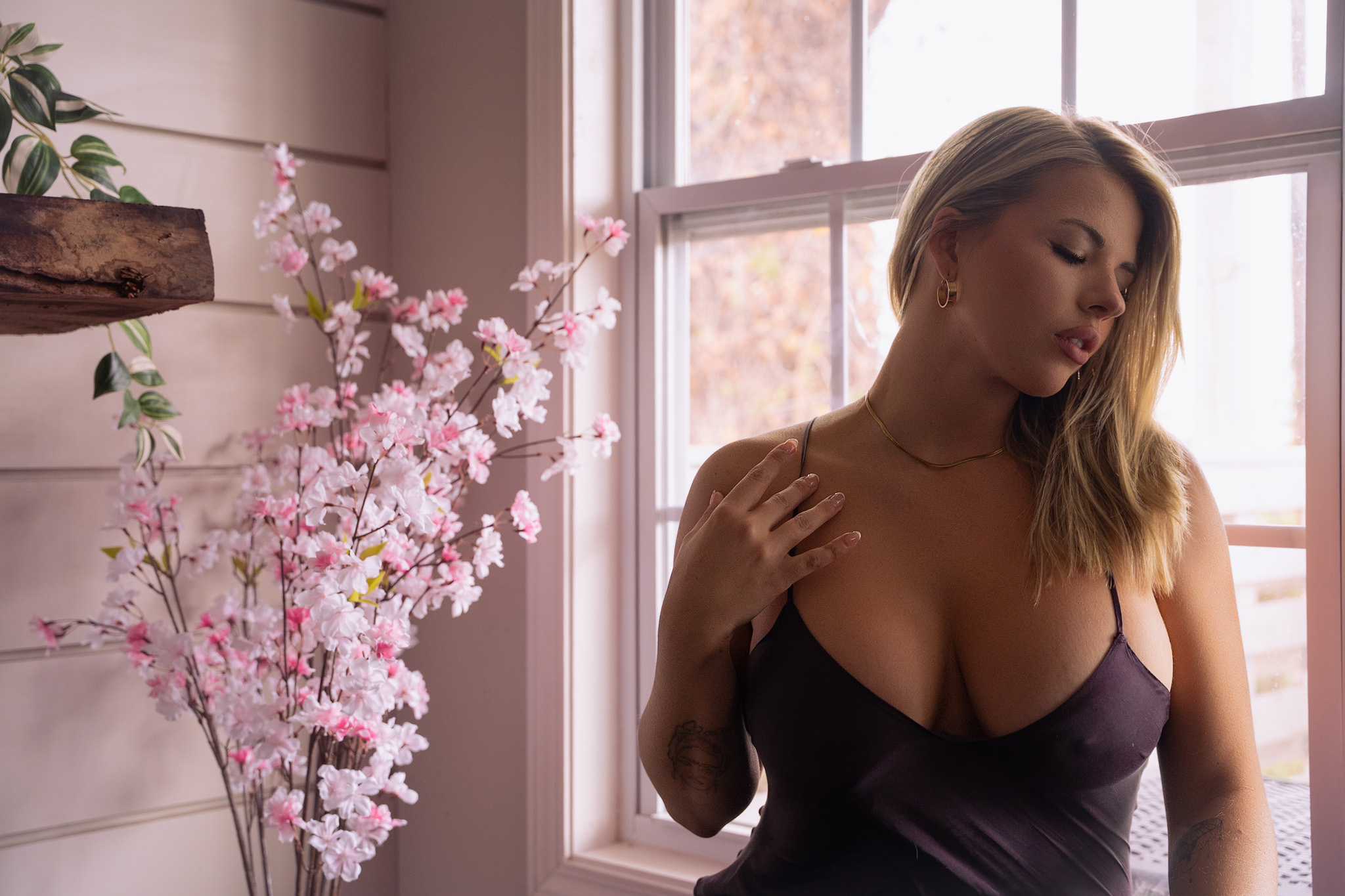
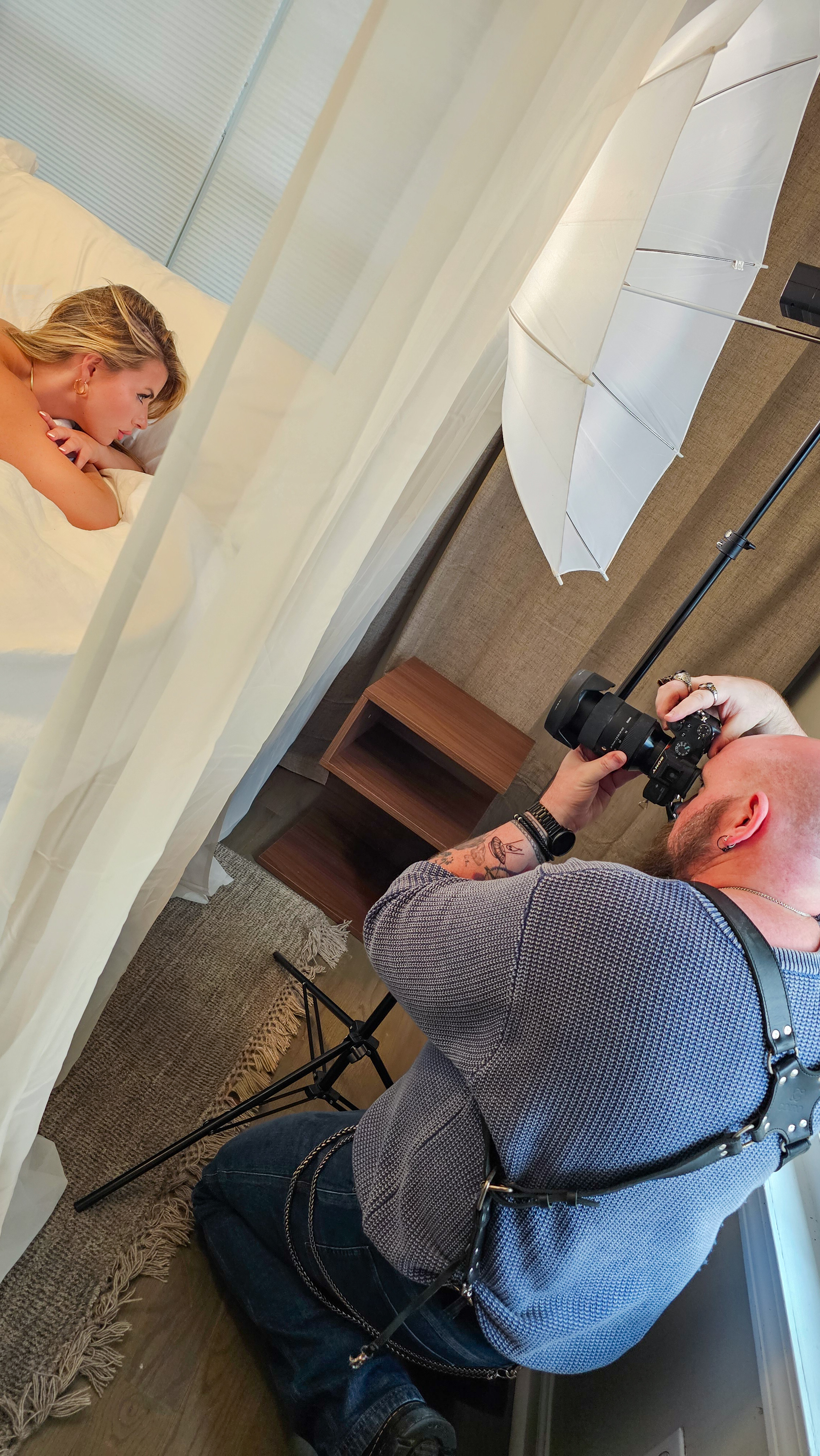
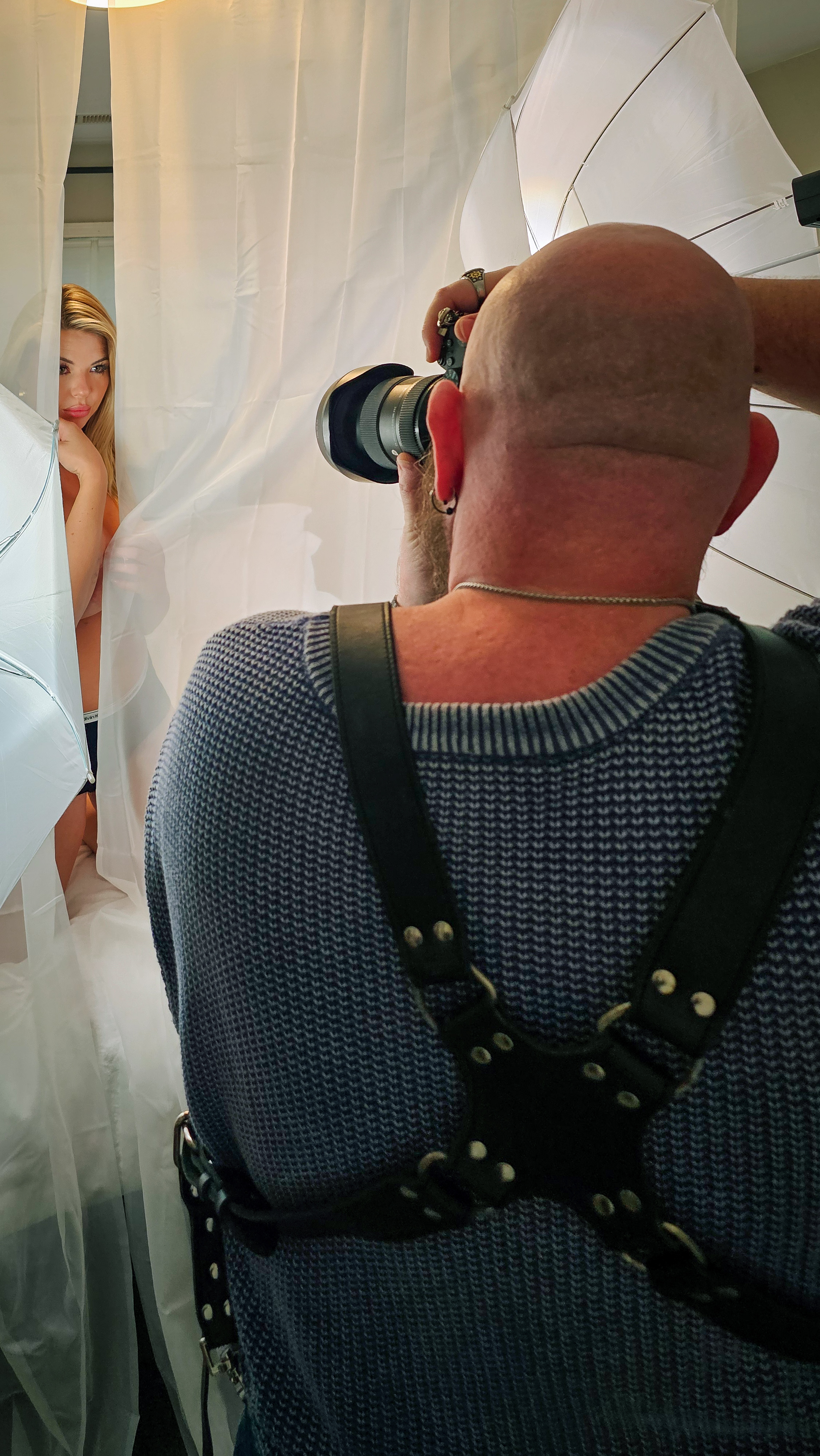
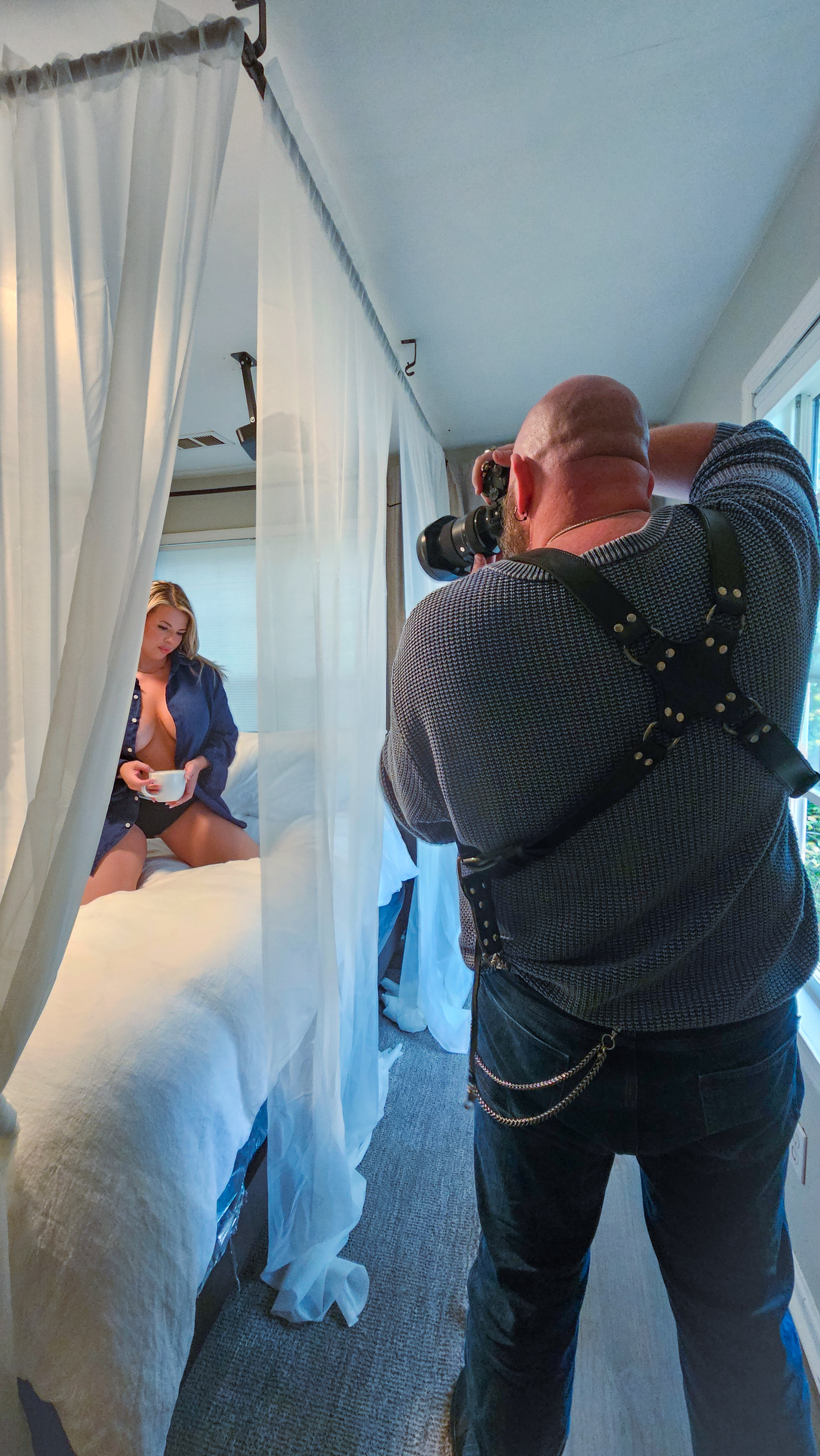
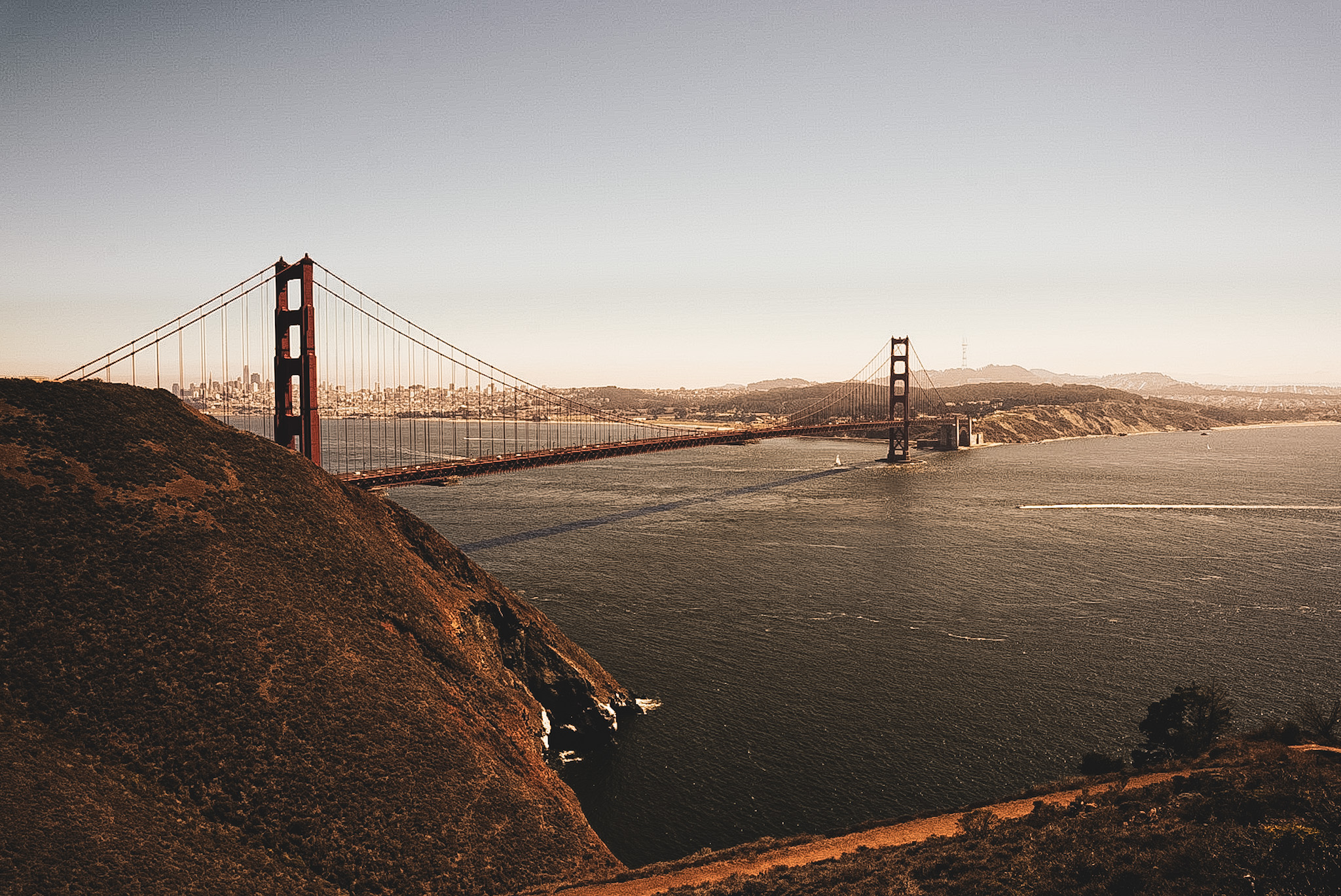
When there is safety, and trust, beautiful images and art can come from photoshoots. These images of Natalie were taken on just such a shoot, and I am grateful for the trust Natalie and I showed each other while working together.




Living Normally While Everything Is On Fire
I am going to be honest in a way that feels slightly rude to the morning. I do not want to be writing this. I do not want to be making something neat or meaningful or digestible. I woke up anxious, the kind of anxious that sits on your chest like a bad houseguest who refuses to leave and keeps asking unsettling questions.
Anxiety and I go way back. We were introduced early, practically childhood friends. When I was small, five or six, my nervous system decided that feelings were not enough and demanded a visual aid. I pulled my hair out. Not metaphorically. Literally. Enough of it that my parents eventually had to shave my head to hide the bald spots. That is not a poetic exaggeration. That is the level of fear my body carried before it had the language to explain itself.
I am telling you this so you understand that anxiety is not a new character in my story. It is not an unexpected twist. It is a recurring theme. I know its habits. I know how it knocks. Most days I treat it with a kind of tired compassion, like an old dog that growls at shadows because it once had good reason to. I earned this anxiety. I lived through things that taught me the world could turn sharp without warning. Some of those things were my fault. Many were not. My anxiety has always been fear doing its best impression of protection, whispering that pain can come back if you are not careful.
But lately something has shifted. The fear has picked up an edge. I am not angry at my anxiety. I am angry on its behalf.
Look around. The world is loud and unhinged and deeply unserious in the most dangerous way. Governments stumble through crises with all the grace of a drunk uncle at a wedding. People vanish. People die. Officials smile into cameras and tell us not to believe our own eyes even when there is video, even when there is proof, even when the truth is sitting right there asking to be acknowledged. It is fascinating in the way a burning building is fascinating. You cannot look away, and you know you should be running.
And still, we are expected to carry on. Pay the rent. Show up. Smile politely in meetings. Because if we do not, the consequences are immediate and brutal. Miss a payment and you are out. Miss enough and you are invisible. We all know how society treats people once they fall through the cracks. We are told to be grateful for the opportunity to work in offices that do not make us more productive, but do make spreadsheets happy and property values stable. We are told this is normal. We are told this is freedom.
It feels less like freedom and more like a very polished cage. Produce. Earn. Generate value. Not for yourself, but for the entity with a logo and a mission statement. Fail to comply and the floor disappears. Everyone knows this. We joke about it because joking is cheaper than revolt.
So yes, in the middle of all these operatic global disasters, I find myself deeply stressed about my job. The one that pays for cameras and plane tickets and long hours chasing light. The one that also feeds my family and keeps the heat on. The one that, if it vanished, would take a lot of safety with it. I am angry that survival is conditional. I am angry that work is mandatory even when the world feels like it is actively malfunctioning.
I am angry that housing is not a right. That food is not guaranteed. That warmth and electricity are treated like luxury add ons instead of basic human needs. I am angry that speech is filtered and throttled and sold back to us through platforms, institutions, algorithms, executives, and politicians who insist they are protecting us while tightening the rules. I am angry that we pretend this is normal and call it adulthood.
And here I am, writing posts on Patreon and my blog, wondering what any of this is for. A handful of people. A small corner of the internet where I share photographs and try to build something that feels like community. Some days it feels tender and important. Today it feels absurd. Like setting the table while the house is on fire.
It is hard not to conclude that we are not as free as we are told. That rights exist mostly on paper and disappear quickly when they become inconvenient. That we answer to governments, corporations, and belief systems that care very little about the actual beating heart of a human being.
I am sorry if this week feels heavy. It is heavy for me too. My anxiety is loud today. It is pacing the room, tapping on the windows, asking me what I plan to do about any of this.
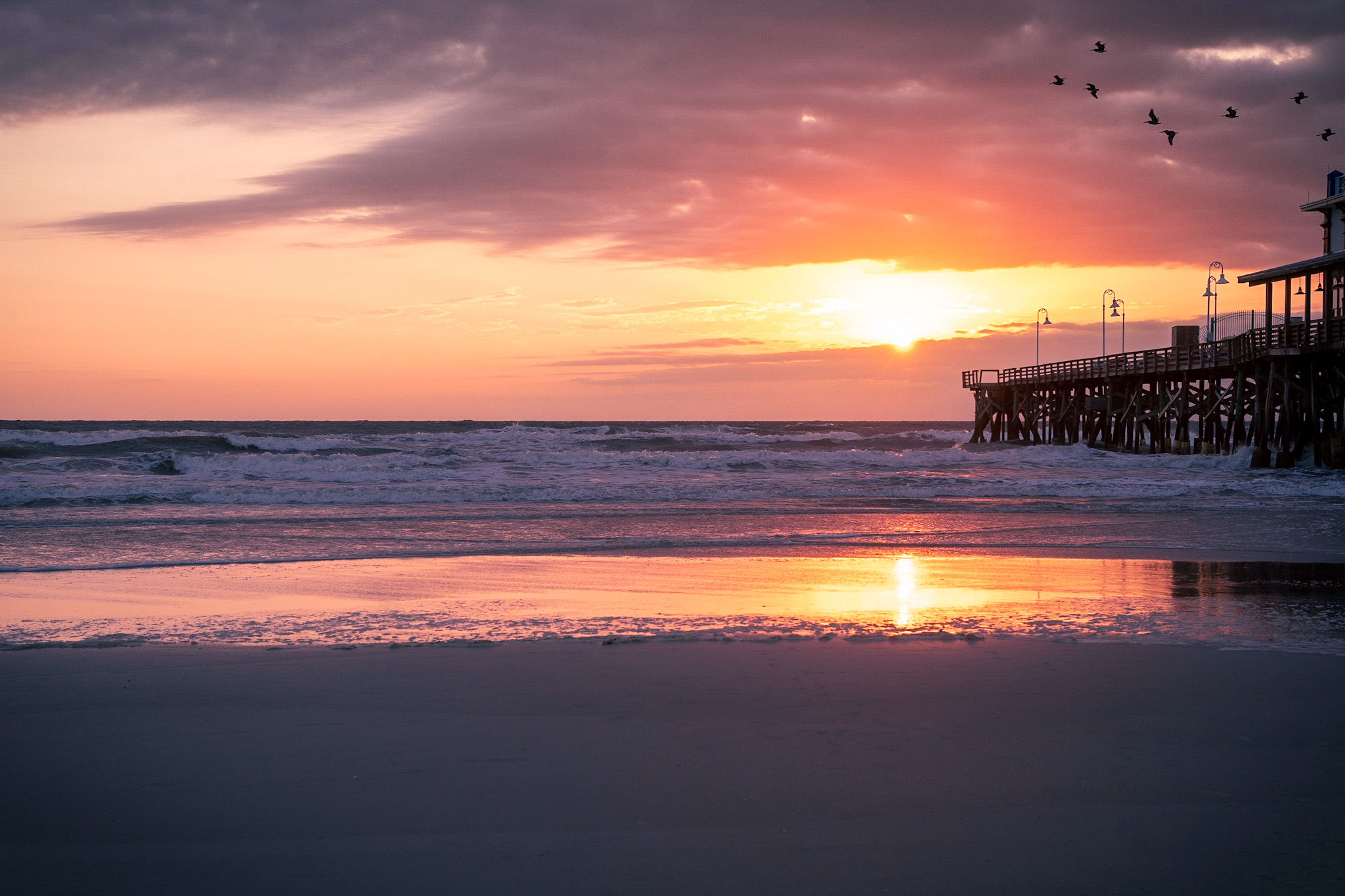
And yet, despite everything, I remember the photographs. I remember standing in front of mountains that did not care about quarterly earnings. Sunsets that arrived without permission. Beaches, streets, faces, moments that existed whether anyone monetized them or not. A beautiful world, stubbornly beautiful, even under all this noise.
I hold on to that. I hold on to the hope that maybe within my lifetime we figure out a better way to live. A way that values people more than profit. A way that lets us rest without guilt. A way that does not require fear as an entry fee. Until then, I keep making images. Not because it fixes everything, but because it reminds me that something worth saving still exists.


Censored by a Machine
We’re nine days into 2026, and I already want to pull the emergency brake and ask who exactly is driving this thing. I’m not enjoying the state of the world. I’m angry, properly, bone-deep angry, and it feels like every headline is just another reminder that we’re stuck in a late-stage capitalism funhouse where the mirrors are warped, the exits are fake, and someone’s charging admission.
So much of what’s wrong feels depressingly obvious. Capitalism squeezing until nothing’s left. Politics turning every problem into a blood sport. Religion still showing up uninvited, like that one guy at a party who insists on explaining the meaning of life while blocking the snack table. We’re overworked, under-rested, constantly monitored, and told this is freedom. If this is freedom, the return policy is terrible.
And now capitalism’s newest shiny toy has arrived: AI. Not helpful AI, no, no, but AI bolted onto everything whether it belongs there or not. AI in your email. AI in your phone. AI in your car. AI making decisions that used to require a human being with a brain, a conscience, and at least a little hesitation. I don’t need AI reading my emails. I don’t want Google peeking into my texts or DMs like a nosy neighbor with binoculars. I don’t want AI flying planes or deciding what’s acceptable, true, or real.
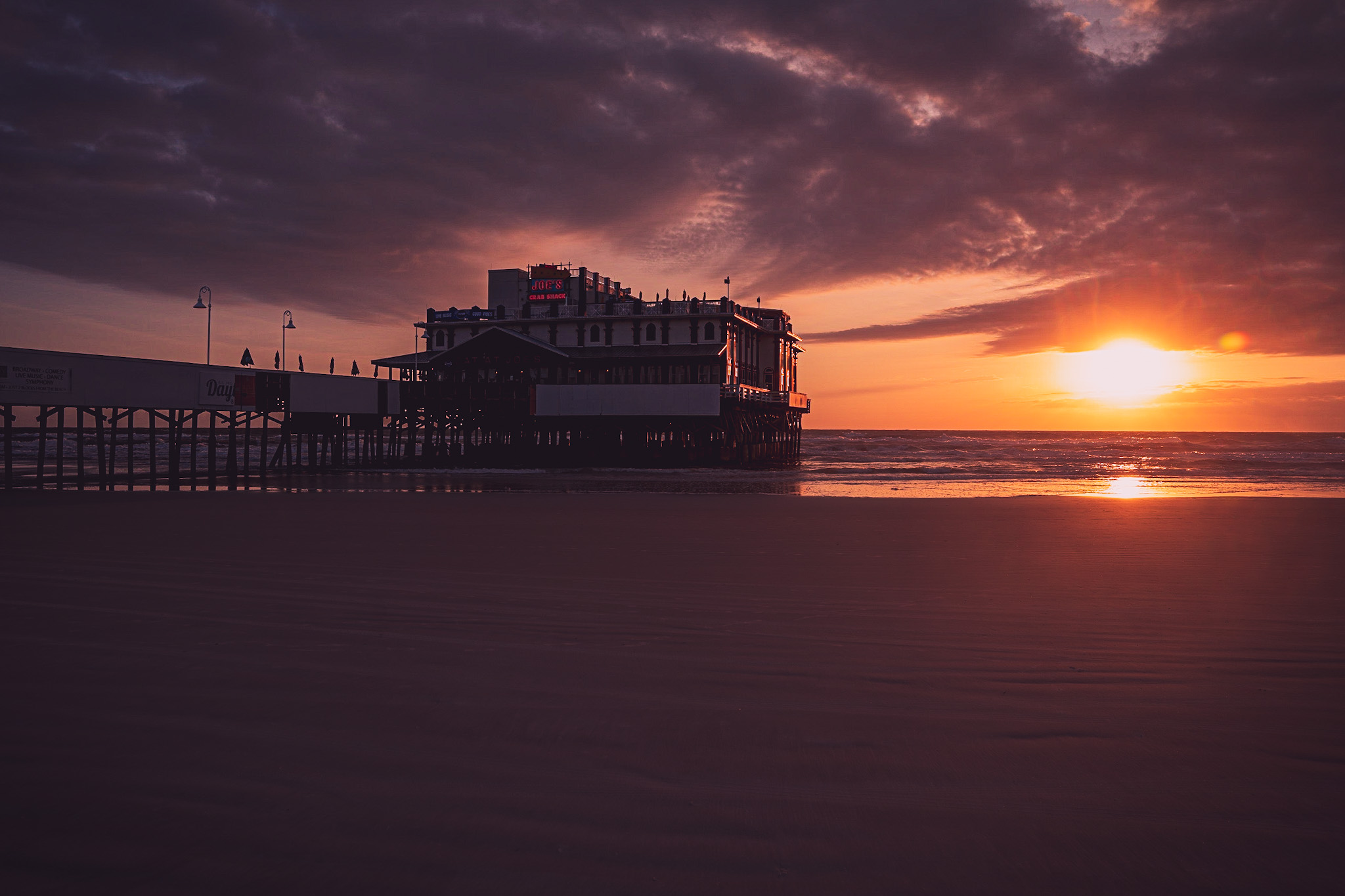
 What really sends me over the edge is how AI is being used to censor things without explanation or accountability. This morning, I posted a photo of Gabriel on social media. A real photo. One I took myself. On a Sony a7III. On Playalinda Beach in Florida, in the kind of heat that makes you question why humans ever left caves. I shot it. I edited it in Lightroom, color, white balance, a little vignette. That’s it. No AI. No prompts. No digital wizardry.
The platform removed it.
Why? Because an AI system “suspected the image was AI-generated.”
Let that sink in. A machine decided my photograph looked too real, or maybe too good, and erased it. Reality failed the vibe check. An algorithm shrugged and said, “Nah,” and that was that.
And of course, there’s nothing I can do about it. There’s no customer service. No human to talk to. No appeal that doesn’t lead straight back to another automated response. Customer service, as a concept, has basically been euthanized. Even when it technically exists, you’re funneled through endless menus, chatbots with fake empathy, and forms that disappear into the digital void. If you ever reach a person, they’ll apologize, transfer you, or accidentally-on-purpose disconnect.
This is not the future I was promised.
I was promised flying cars, shorter workweeks, and more time to make art, take photographs, and exist without being monitored like a suspicious package. I was promised a brighter, better future, not one where creativity is flagged as fraudulent and reality needs a verification badge.
I would very much like to return this timeline. I have the receipt. I have notes. I am willing to exchange it for literally any version that includes accountability, humanity, and maybe someone, anyone, answering the phone.
Unfortunately, there is no customer service department for reality.
And that, more than anything, might be the most dystopian part of all.
Breaking Free: Why Asking 'Why?' is Essential for Personal Growth and Change
As a photographer, I often reflect on how we are conditioned to suppress our curiosity and accept the status quo. This conditioning starts from a young age, where we are discouraged from asking "why" and labeled as a burden or nag if we persist. Truth be told, most adults don't have the patience for children, and they make it clear to them, most of the time their own children, that they are in the way, and talking too much. This lesson is learned young and is never easy to shake off.
As we grow older, we are told that certain things are just the way they are, and questioning them can lead to unpleasant consequences. As a teenager, we might question why things are the way they are. For example, why do teenagers have to wake up so early to go to school? Why is our life filled with activities but not rest? Why don't adults have as many activities as teenagers? Why are we being forced to figure out our career, school, marriage, relationships, and religion, all at a young age, with little experience and without even knowing who we are yet? When we ask, we're told that's just how it's always been done.

It's disheartening to see people give up on asking "why" as they become adults. We might learn not to ask "why" because the other person could become dangerous or erratic. When we ask our partner why they expect us to remind them to do the dishes, they might accuse us of being things we never were. When we question our boss why we have to work from an office for a job we can do better from home, we might be accused of playing lazy. And when we question why priests and religious leaders are still allowed to be alone around children, we're told to just have faith.
But deep down, we want to ask "why." We wonder why we can't do more for a better environment or cut interest from student debt. We question why we have to settle down, have kids, and own a house. And we wonder why we have to balance-beam walk across our lives, careful and patient.
As a photographer, I believe in using my art to challenge these societal norms and inspire people to ask "why" more often. Through my lens, I hope to capture moments that challenge the status quo and inspire others to take action. Whether it's through capturing the beauty of a person who has never received positive support or affirmation in their life or challenging the norm of women being told to cover up by insecure men, I believe that photography can be a powerful tool for sparking change.
I hope that by capturing these moments and sharing them with others, I can inspire more people to ask "why" and challenge the status quo. Because only through questioning and challenging the status quo can we create a better world for ourselves and future generations. It's time to break free from the conditioning that tells us to accept things as they are and start asking "why" more often.

Living Life on Your Own Terms: The Challenges and Rewards of Pursuing Your Passion
The world we live in is constantly changing, and not necessarily in ways that benefit the human race. Survival has become a challenge, and the odds seem to be stacked against the vast majority of us. We work hard to make a living and support ourselves, but the compensation we receive often doesn't reflect the effort we put in. Companies demand year-over-year growth to their profits, yet the employees who help them achieve those increases are often not compensated accordingly. We're stuck in a cycle where the cost of living continues to rise, but our salaries remain stagnant.
It's a harsh reality, but one that many of us face. And yet, there are still those who choose to take control of their lives and pursue their passions. They're the ones who switch careers multiple times throughout their lives, who take risks and try to live life on their own terms. I'm one of those people.
I started my career as an EMT, then moved into Occupational Health and Safety. After that, I transitioned into Sales and Account Management before finally settling on freelance photography as my full-time profession. It's a decision I don't regret, but it hasn't been an easy path.
There are many benefits to being a full-time freelance photographer. I make my own schedule, choose who I want to work with, and don't have to ask anyone permission to take time off or go on vacation. But there are also downsides. Finding clients can be difficult, cash flow isn't always guaranteed, and there's a constant feeling that I should always be working.
One of the biggest challenges of being self-employed is the pressure to constantly make ends meet. Bills don't stop just because you have a slow month, and the companies you owe money to have to make those year-over-year profits, right? It's a reality that many entrepreneurs face, but it's not often talked about.
Starting a business is not for the faint of heart. It takes a lot of hard work, sleepless nights, and anxiety-filled hours. But for those who choose this path, the reward is the ability to live life on their own terms. They're able to pursue their passions and make a living doing something they love.
Is it worth it? That's a question only each individual can answer for themselves. For me, I want to say yes, but I am still new at all this and my final answer isn't in yet. I'm willing to take the risks and face the challenges that come with being self-employed because the alternative is to live a life that feels unfulfilling. I want to make a difference in the world, to leave a positive impact, and pursuing my passion as a freelance photographer allows me to do that.
The world may not be made for the human race to live, but that doesn't mean we can't make the most of it. We may face challenges, but with hard work and perseverance, we can create the life we want to live. We can pursue our passions and make a difference in the world. It's not easy, but it's worth it.


3 Book Series EVERY Man Should Read
Growing up, we are often bombarded with societal expectations of what it means to be a "real" man. We are told to be strong, stoic, and always have it together. I myself grew up being told over and over again "When I was a child I thought as a child, but when I became a man I put away childish things." The first time I can remember my Father telling me that was shortly after I turned 8 years old. But let's face it, life is messy, and sometimes we need to let loose and have some fun.
When I was younger, I had this idea that being a man meant I had to be serious all the time. I thought I had to let go of my childhood hobbies and interests and focus on "mature" activities. But the truth is, being a man is not about conforming to outdated stereotypes or what society thinks we should be. It's about being true to ourselves and embracing the things that make us happy.
For me, that meant embracing my inner geek and diving back into my love for Dungeons and Dragons. It also meant allowing myself to indulge in my favorite movies and books, no matter how silly or childish they may seem to others. And you know what? It felt good. It reminded me that being an adult doesn't mean we have to give up the things we love.
So, to all the men out there who feel like they have to conform to society's expectations, I urge you to let go of those notions and embrace the things that make you happy. Whether it's playing video games, reading comic books, or watching cheesy rom-coms, do what makes you happy. Life is too short to live it according to someone else's standards.
And on that note, here are a few book recommendations that I believe every man (or anyone, really) should read:
- Old Man's War by John Scalzi - This science fiction novel explores a future where humanity has colonized the stars and follows protagonist John Perry as he joins the military at the age of 75 to fight for the future of the human race.
- The Dresden Files by Jim Butcher - As you mentioned, this urban fantasy series follows Harry Dresden, a professional wizard and private investigator in Chicago. The series is action-packed, full of humor, and will keep you on the edge of your seat.
- The Iron Druid Chronicles by Kevin Hearne - This fantasy series follows the adventures of Atticus O'Sullivan, the last of the Druids, as he navigates through supernatural dangers and encounters gods, goddesses, and other mythical beings.
Remember, reading is a personal and subjective experience. Don't let anyone tell you what books you should or should not read. Instead, focus on finding books that you enjoy and that make you happy.
Ultimately, I learned that being a man is not about adhering to rigid stereotypes or societal expectations. It's about being true to yourself and embracing the things that make you happy, even if they involve wizards, dragons, or spaceships. And let's be real, who wouldn't want to ride a dragon into battle or blast off into the galaxy with a motley crew of misfits? So go ahead, embrace your inner geek, and revel in the wonder of fiction and fantasy. After all, life is too short to take ourselves too seriously!


Is Photography Hard
Have you ever wondered why we don't see more great artists anymore? What happened to the genius that was Einstein, Mozart, and Picasso? I am always amazed at how naive people chose to be because most people when they see a great artist, athlete, scholar, or musician just naturally assume they were born to that privilege. "It's a natural gift" they might say. Rarely will these people ever think about what it took for that person to achieve the success they see today. Why? I honestly don't know. Maybe they don't want to compare their own lives to the life of someone who was willing to do whatever was required for what they wanted. Maybe they are afraid that if they look into that void all they will see if their own mediocrity staring back at them. Who knows?

When I think of great people I have looked up to I often like to remember the story of Peter Dinklage and his first apartment. Before he was Tyrion Lannister he lived in a run-down apartment in NYC. No heat, AC, or stove to cook food. His landlord brandished a knife at him and his roommates several times and refused to fix anything. Can you imagine that? Can you imagine that as your home? Can you imagine sleeping there? Would you feel safe?
I can't speak for Peter, but I have heard several interviews he gave where he talks about this time in his life, and all I can say is I see the sadness in his eyes. A haunting memory when he thinks back on that time. Was it worth it? Only Peter can answer that.
But that really is the question, isn't it? When someone aspires to be great at something a sacrifice or two will have to be made. How many people are even willing to consider paying that sacrifice?
For me when it came to learning the art of photography, one of the hardest sacrifices I ever had to pay, was sucking at something. Growing up I had always had a natural talent for so many things. Music, theater, public speaking, and more. I never really had to apply myself to anything because everything came so quickly to me. I had no need to aspire for greatness because I was living on the high end of mediocrity. I was better at most things than most people and that was ok for me. Then...I picked up a camera.
I originally started photography to have something in common with my now ex-wife. She had several Nikon cameras and she allowed me the opportunity to shoot with one of her backups. The first week I started taking pictures I almost quit right then and there. My pictures were TERRIBLE! The composition was off, the lighting was either over or under-exposed, I had no idea what all the buttons did, and my photos looked nothing like the photos I had saved in a Pinterest folder for inspiration. The bottom line was I was a beginner, and as such had no knowledge, experience, or history to draw from. In short, I sucked!
See, now this is the part in the story where most people quit. I'm not naturally good at something? Oh well, not for me. So they give up. They put away anything that reminds them of their abject failure and move on to something where they can be a little bit better than everyone else.
The story I remember was in 2004 in CA. I was eating dinner at a friend's home and his father, who was in his 60s, was bragging over dinner to me about how when he was my age he had done so much more stuff than I had. His tone was very condescending and I could tell he was VERY proud of himself. So I asked, "So what have you accomplished since then?" He...was...furious! I won't go into details, but I was thrown out of the house and was never allowed to return...All because I asked one simple question.
So to sum a few things up...Is learning photography hard? Yes! I have been shooting for 10 years. I have read books, watched YouTube Videos, listened to podcasts, gone to workshops, practiced, failed, and did it all over again. Despite all of that work, study and effort I would describe myself as knowing maybe 1% of 1% of all there is to know and learn about photography. Is it worth it?
For me...The answer always comes to me when I work very hard on a photo and I get the exact image I was hoping for. The answer...for me...is always a resounding YES!
So I encourage you to go out, try something new, and be brave enough to suck at something. You can do it! Thanks for stopping by. I would love to hear what you think about all this. Feel free to leave a comment or reach out on Instagram, Twitter, Patreon, or Vero.

Icon Park - Orlando FL

So last night I learned some interesting things about Icon Park in Orlando FL. Now before I get started I want to be clear, this is not a post talking bad about the park itself...Icon Park is a beautiful area filled with amazing lights, fun things to do and a lot of different kinds of delicious food. What this post IS about is talking about the park's rules and rights. Some of which I find to be very disturbing.
Last night I decided to drive out to Icon Park in Orlando FL and do some night photography. Night photography, especially after a good rain storm and some awesome lights is a favorite of mine, and I was excited to create some art. Not wanting to bother anyone I decided to drive to the top of their parking deck and use the top open-air level to shoot. When I got up there I was literally the only person up there.
Now as anyone knows, night photography requires the use of long exposures. This means you have to thumb down the shutter speeds allowing light to have a longer amount of time to get inside the camera and hit the film/sensor. When doing that the use of a tripod is highly recommended as any shake coming from holding your camera will distort the image.
Now I was using a varity of cameras while I was there. My main is a Sony a7iii with a Sigma ART 24-70mm lens. I was also shooting with a Pentax Super Program 35mm Film camera with a 70-200mm lens, an Olympus Pen EES-2, and a Kodak Ektar h35.

Now as you can see, the images turned out wonderfully, and I was VERY pleased with how they look. Because I was shooting with longer shutter speeds each image took some time to set up and after being in one spot for almost 45 minutes I decided I wanted to change locations and focus on shooting the Ferris Wheel. That is when the trouble started...
After moving, and maybe 10 minutes of time a security guard showed up and told me I had to leave because tripods were not allowed on this private property. When I asked him to show me the policy he said I could look it up online, and continued to harass me to go. I started packing up my gear and when I got into my truck I decided to look up Icon Parks Policy...
This is where I found the following two statements on their "Terms & Conditions" Page.
Large tripods and commercial-grade photography gear for purposes of commercial shooting without permission from ICON Park Media Relations.
Photography, videotaping or recording of any kind for commercial purposes.
Icon Parks Terms & Conditions taken directly off their website
Now look, I have no issues with this policy. Icon Park is private property and they can restrict who photographs their property however they like. However, two things bother me here...
- I was not there photographing commercially. I was there personally to make and collect images for my personal pleasure and use. I had/have no intention of profiting from these images. The security guard did not know his own company's rules, and since I was not commercially photographing my tripod should have been allowed. Instead, I got harrassed and thrown out.
- If you continue to read down further in Icon Parks Terms and Conditions there is a section entitled ICON Park Rights. Below I will quote the line that bothers me, but it basically says the park has the right to photograph, videotape, and reproduce anything all the way down to YOUR VOICE and profit from it without giving the individual any compensation...
We may photograph, film, videotape, record or otherwise reproduce the image and/or voice of any person who enters the ICON Park property and use the same for any purpose without payment to any person.
Icon Park Terms and Conditions taken directly off their website
Can someone explain to me how this is right? Can someone make this make sense? You ban photographers and individuals from filming and videotaping your property for profit, but you can do it to anyone who enters your property? Is that not the definition of hypocritical?
