ATL Shooters - October Event
ATL Shooters - October Event
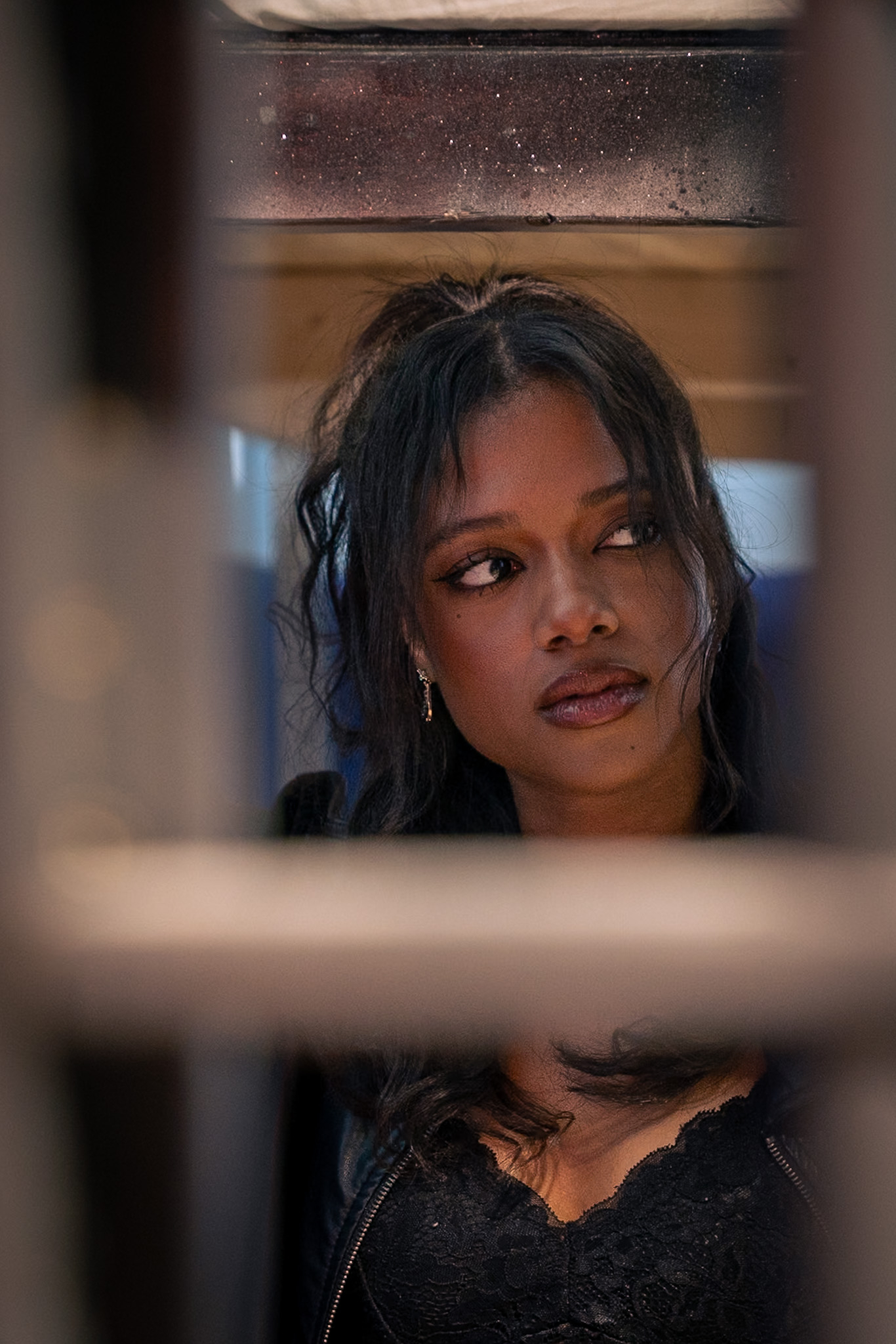
Over the weekend, I went to another ATL Shooters event, one of those little creative storms that make living in Atlanta worth it. For anyone new around here, the ATL Shooters Club is run by a guy named Tony, who, once a month, somehow rallies a small army of photographers and models to meet up, take photos, and make art. He picks the spot, we all show up with cameras and caffeine, and for a few hours the city becomes our playground.
It’s honestly become one of my favorite things about being here. But what keeps surprising me, in that strange, humbling way, is when other photographers tell me they look up to my work. That I’m someone they’ve followed for years, or that I’ve inspired them to shoot more. I never quite know what to say to that, because deep down, I still feel like the kid I was 13 years ago, wandering around Olympia, Washington with a camera I barely understood, taking pictures of anything that would stay still long enough.
Back then, I used to buy cheap roses from the grocery store just so I’d have something to photograph. I’d ask friends if I could take portraits for practice — most said no, a few said “hell no.” But I kept shooting anyway.
The one moment that sticks with me most was this photoshoot in an abandoned building near Puget Sound. I had a few friends with me, no clue what I was doing, and zero understanding of editing. I knew what I wanted my photos to feel like... moody, cinematic, alive, but I didn’t know how to get there yet. My creativity was bigger than my skill.
So I did what seemed smart at the time: I asked for help. I posted some of the photos in a photography Facebook group, said I knew they weren’t great, and asked if anyone had advice or tutorials I could check out.
Big mistake.
They tore me apart. Dozens of photographers told me I was awful, talentless, that I should sell my camera and give up. Some were cruel just for the sport of it. The comments got so bad the group’s admin actually stepped in and told everyone off, but by then, I’d already logged out, feeling about two inches tall. I still remember that feeling, the sting of being told I wasn’t good enough.
And maybe that’s what lit the fire. I worked hard for years after that. Not out of anger, but determination. I wanted to prove, mostly to myself, that I could make art worth looking at. Thirteen years later, I like to think I’ve done that. But every time someone compliments my work, it still pulls me back to that moment, the kid who just wanted to learn, to be part of something creative, and got laughed out of the room.
That’s why I love the ATL Shooters so much. It’s the kind of place I wish I’d had back then, a space where photographers of all levels come together, share tips, teach each other things, and just create. No gatekeeping, no judgment. Just art, curiosity, and a little bit of chaos.
I didn’t have that community 13 years ago. But I have it now. And that makes every long night of trial, error, and stubbornness worth it. Because now, I get to help build what I once needed, a creative family chasing light together through the wild streets of Atlanta.


Lisa Frankenstein - The Bride of Lisa Frank
Lisa Frankenstein - The Bride of Lisa Frank
Long before I ever touched a camera, I was just another night owl lost in the endless scroll of Tumblr. I’d spend what felt like lifetimes drifting through a sea of moody portraits, cosmic color palettes, and quiet emotion, wishing I could create something that lived up to what I saw there. I sometimes wonder how many miles my thumb traveled in pursuit of inspiration.
Now, years later, I stand behind the lens as a photographer, my work a living collage of all those nights. I can still feel the echo of Tumblr’s influence in my images, the colors, the texture, the quiet ache for beauty. It’s a craving that never really fades, this urge to bring the imagined into being.
Luckily, I’m married to someone who shares that creative pulse. Leslie, a Special Effects Makeup Artist, often dreams in a different direction than I do, but every so often, we both catch the same spark. That happened when she came to me with an idea: The Bride of Frankenstein, but with the color palette of Lisa Frank.
I saw it immediately. dolphins' in rainbow hues, gothic drama dipped in 80s nostalgia. Lisa Frank, the queen of technicolor notebooks and childhood joy, had never stepped into the shadowy world of Halloween… until now. The idea felt both absurd and perfect.
We’d played with the Bride before, once twisting the concept into something new, but this was different. This time, it was about contrast: horror meeting harmony, darkness bathed in color. So, we gathered at Casa Scott. Kat, our model, brought her radiant energy and creative soul. Mac, our stylist, arrived armed with combs, hair picks, and enough hairspray to stop time. Leslie conjured her magic with colors that shouldn’t have worked but somehow did. And me... I stood ready to catch the spark when it hit.
Did we capture it? The impossible blend of gothic and glitter, of lightning and laughter? I’ll let you be the judge.
But I like to think that somewhere, deep in the archives of Tumblr, a ghost of my younger self is scrolling through the feed, pausing on this one, and smiling.


I Canceled My Spotify Subscription
I Canceled My Spotify Subscription
Lately, I keep seeing the same phrase pop up all over the internet, something like, “I can’t believe this is reality, and I’d like to get off now, please.”
Honestly? I get it. The world feels like it’s getting weirder by the second, and the ride operator’s long gone.
Today’s reason for disbelief: Spotify (and a few of its streaming buddies) are now running ads for ICE. Yeah, that ICE. The ones who say things like “Join the mission to protect America” and “Fulfill your mission”, as if we’ve suddenly wandered into a recruitment campaign for the dystopian sequel no one asked for.
I won’t spiral into a full rant about advertising or how companies chained to ad revenue lose their moral compass. But let’s just say when you let advertisers steer the ship, you can’t be surprised when it starts heading straight for the rocks.
So, I canceled my Spotify subscription. It’s strange, I’ve been a loyal listener for years. My playlists were basically chaos, but I loved them. But I can’t keep giving money to a company that plays host to ads promoting organizations like ICE. Some things just hit a line you can’t step over.
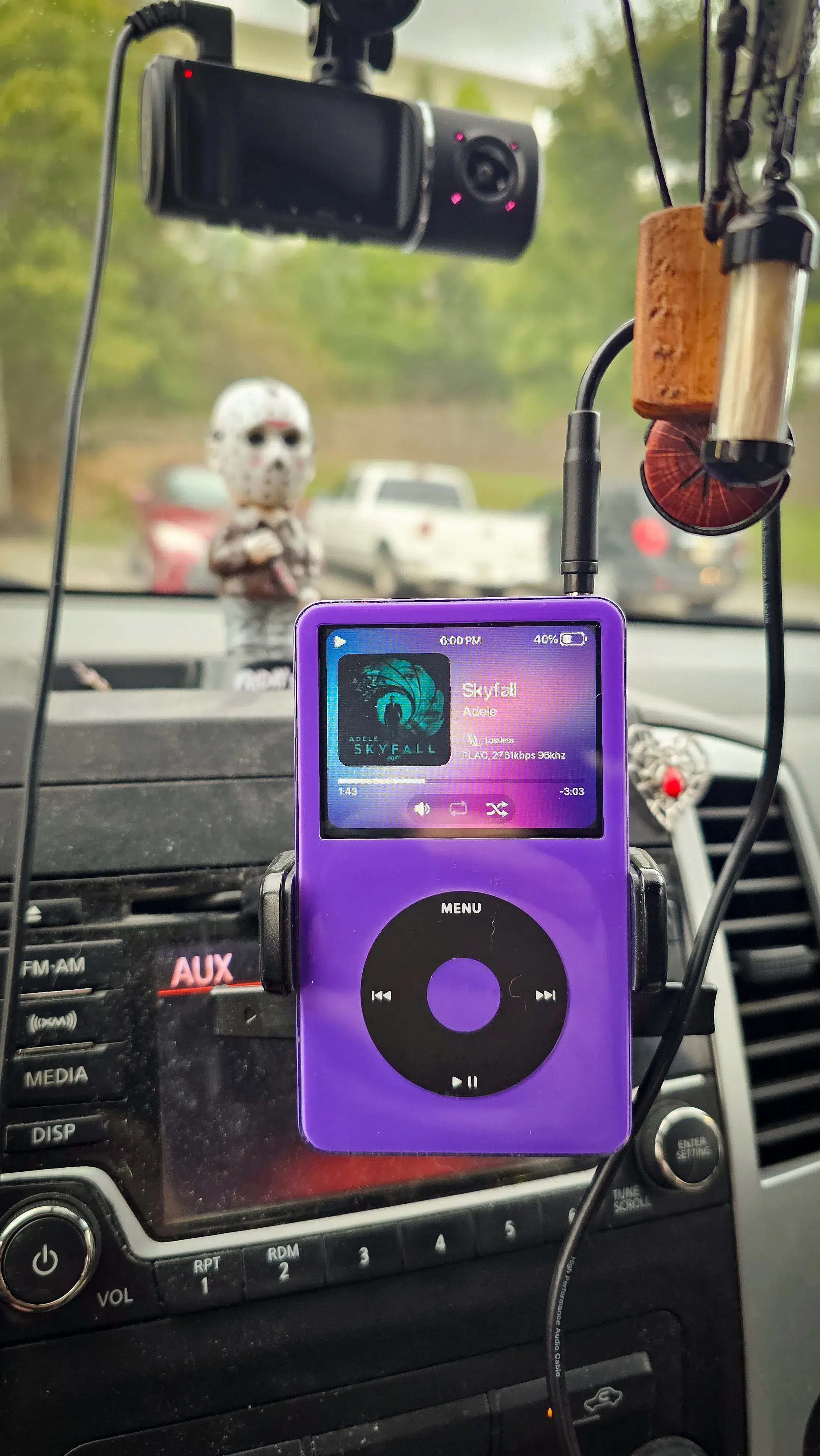
So where am I going next? Well, I’ve been on a quiet mission to go back to physical media, CDs, vinyl, even MP3s on my newly revived iPod. There’s something comforting about owning the music outright. It can’t vanish because a licensing deal expired or an algorithm got bored.
That said, I do still need a streaming option, mostly for discovery and those times I’m too lazy to dig through a stack of jewel cases. After a little research, I landed on Qobuz. They pay artists more fairly, their catalog’s solid, and, as far as I can tell, they’re not in bed with ICE or anyone pushing that brand of nonsense.
The catch? I have to rebuild everything. No easy playlist transfer. No magic import button. Just me, starting from scratch, copying, pasting, remembering, re-curating. Between that, digging through SoulSeek, and updating my iPod, it feels a bit like a musical scavenger hunt.
But honestly, I kind of love it.
Because when you buy the album, when you actually own it, it’s yours. It can’t be quietly removed or rewritten. You can’t “lose access” to something that’s sitting right there on your shelf.
Maybe this is just what getting off the ride looks like, finding slower, smaller ways to stay connected to the things that still make the noise worth hearing.

I’m Not Dead Yet
 OK, I suppose I should start by assuring everyone that I’m not dead. Not quite yet, anyway. (Cue the man from Monty Python and the Holy Grail being hauled off shouting, “I’m not dead yet!” Honestly, that’s been my life’s aesthetic for years, stubbornly alive due to spite and coffee).
Still, I had a good laugh over the flood of messages after I posted my “obitchuary”. Most of them were some variation of, “You son of a bitch, I thought you were dead!” And for someone who’s spent a decent portion of life assuming their absence would barely register, I have to admit, it was oddly touching. Not the reaction I was aiming for, but a heartwarming bit of unintended chaos all the same.
As I’ve gotten older, I’ve noticed we all quietly share that same haunting thought, that our deaths would go largely unnoticed, that our lives ripple too softly to matter. It’s why It’s a Wonderful Life still makes half the planet cry into their hot cocoa every December. Of course, life doesn’t really follow movie logic. We don’t get soaring orchestras or conveniently timed redemption arcs. Cops aren’t “buddies,” and no one solves a murder in under an hour.
But here’s the lovely, inconvenient truth: we matter more than we think. We leave fingerprints on people’s lives, sometimes smudged, sometimes shining. I know I’ve made my mark, some of it gentle, some of it… less so. There are a few people who’d probably spit on my grave, and honestly, that’s fair. We don’t get to choose the whole impact we leave; we just scatter it like glitter and hope it catches the light more often than not.
 Yesterday, in therapy, I mentioned a time I “unfortunately survived.” My therapist immediately countered, kindly but firmly, that I had it backward. “You fortunately survived,” she said. “Messy, imperfect, maybe even a little scorched, but alive.” She’s right, of course, though I still think of myself more like Iago from Aladdin 2, muttering, “You’d be surprised what you can live through.”
So maybe that’s the lesson hiding under all this: life’s ridiculous, messy, unfair, and still wildly worth living. We’re all just shuffling through our own sketch comedy, absurd, painful, full of strange beauty, trying to make it to the next punchline with a bit of dignity left.
Until next time, keep creating, keep living, and if you must write your own obituary, make sure it’s funny enough that people text you to see if you’re still breathing.
Adam Scott's Obituary
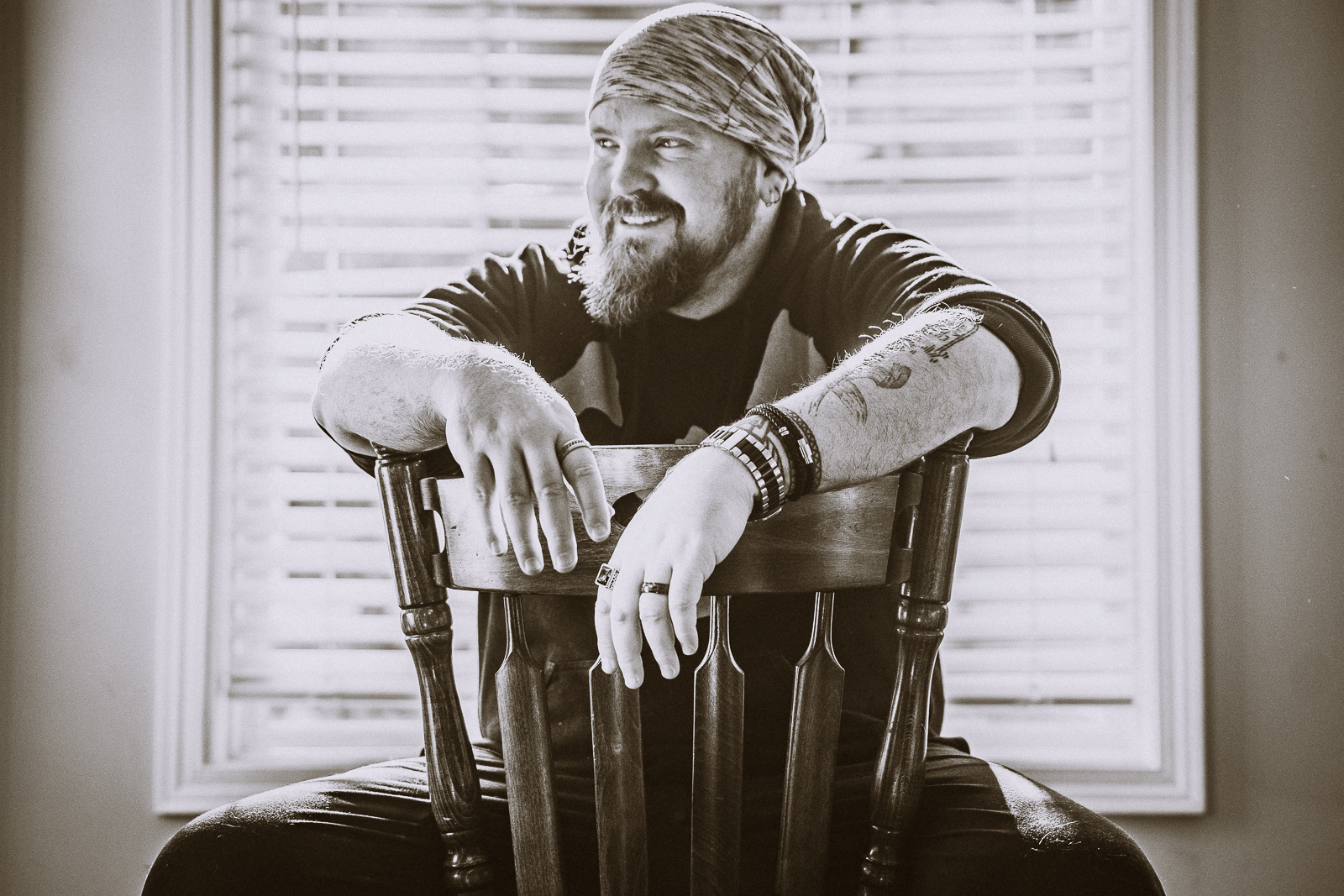
Last year, a therapist I was seeing, asked if I'd ever written my own obituary or eulogy. I hadn't, but the idea intrigued me, so, I wrote a few words. That was a year ago, and today I revisited those words, and I thought I would share them here.
Adam never liked funerals. He thought they were strange little plays for the living, polite performances where people finally said all the things they never managed to say while you were still around to hear them.
But Adam tried to showed up. Always, and everyday. For the people he cared about, he showed up in big, messy, meaningful ways, often the way he wished someone would show up for him. Most of the time, though, he walked through life solo, figuring things out as he went. No map, no manual, just instinct and a stubborn kind of hope.
He made mistakes. A lot of them. The kind that left dents and bruises, and stories. No one was harder on Adam than he was on himself, but even when life knocked him flat, he somehow kept getting up. And when no one believed in him, that’s usually when he did his best work.
Adam was a cliff-jumper by nature, not the bungee kind, but the metaphorical sort. He’d leap into new ideas and build the parachute on the way down. Sometimes he landed gracefully. Sometimes… not so much. He failed often, at love, at money, at faith. But even when life fell apart, there was always a spark in him that refused to go out.
That spark looked like a camera in his hand, a story half-written at midnight, a sudden burst of inspiration when everyone else had already given up. He was a self-taught writer, a photographer who saw beauty in the broken, and a collector of wild ideas.
If anything true can be said about Adam, it’s that he lived. Not neatly. Not safely. But with heart and curiosity and a little bit of chaos.
And as his favorite Sinatra song goes —
He did it his way.

I Accidentally Became a Photographer (and It Kind of Worked Out)
I stumbled across a quote today from Annie Leibovitz that said:
And I thought, same Annie, same.
It reminded me of something I haven’t thought about in years. I’ve talked about it before, but over a decade ago, I picked up a camera with the fragile hope of saving a failing marriage. My first wife was a wedding photographer, and I figured maybe, if we shared photography, we might find our way back to each other. Spoiler alert: we didn’t. But what I did find was something entirely unexpected, an obsession, and a love of photography that rewired how I saw the world.
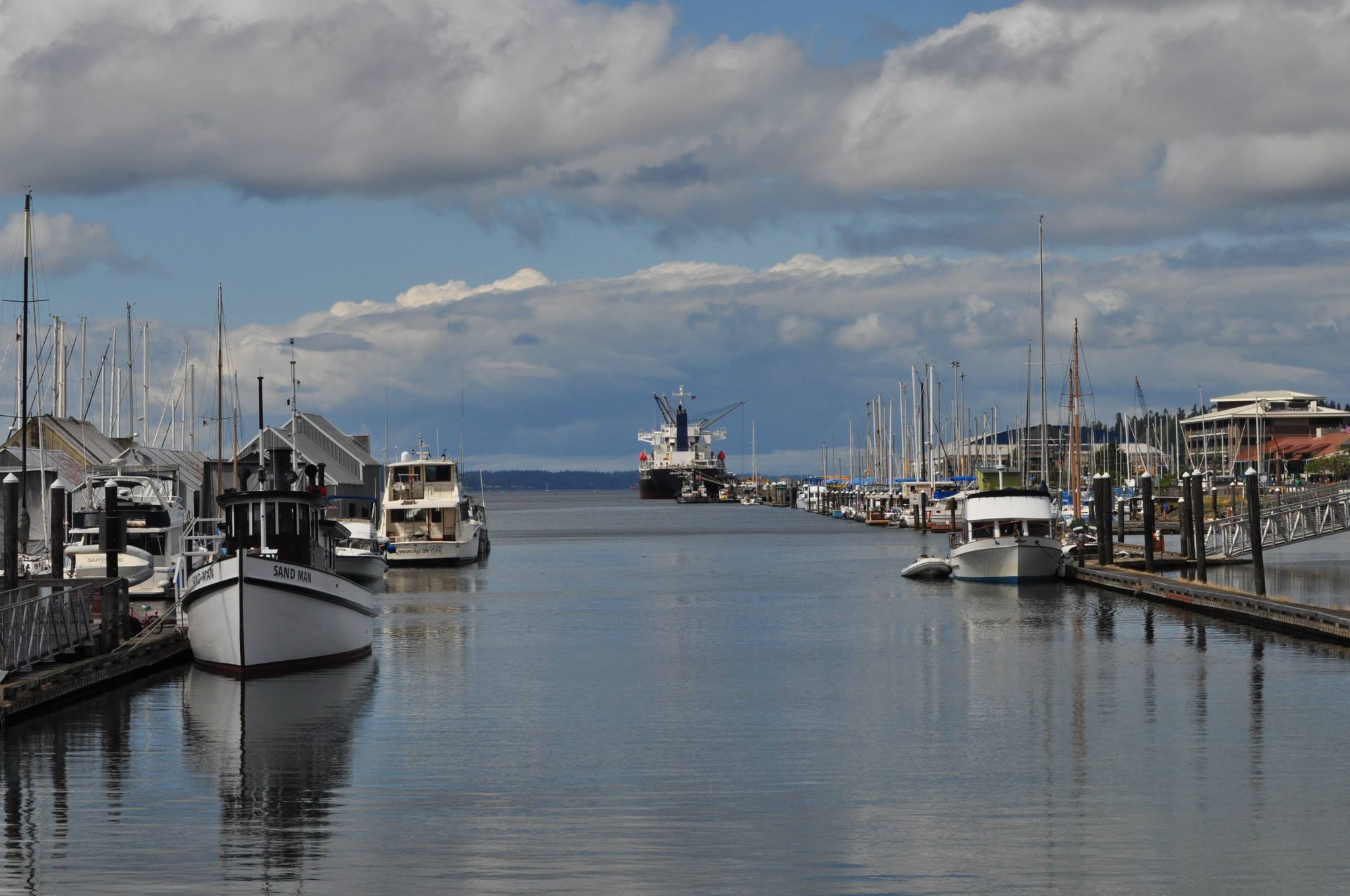
In those early days, I was insatiable. I carried a camera with me everywhere like a secret I couldn’t stop telling. I bought roses at the grocery store just to photograph their colors. I spent twenty minutes outside a library circling a tree like it was some sacred relic of light. I photographed sunsets, boats, log piles, whatever stood still long enough to let me.

But more than anything, I wanted to photograph people. I’d scroll endlessly through Tumblr, lost in that dreamy haze of aesthetic portraits, and I wanted, desperately, to make something that beautiful too. The only problem: who was I going to photograph?
So I asked everyone. Friends, coworkers, anyone who made the mistake of standing too close while I had a camera in hand. I’m sure I drove people insane. Some said yes, a few said no, and those no’s stung more than I’d like to admit. I still remember one friend politely declining a family session I offered. I hung up the phone, flushed red, and sat there embarrassed for days.

But I kept shooting. And shooting. And shooting. Over and over. Failing often, learning always.
Fast forward to now, and I’ve worked with models, celebrities, businesses, brands, conventions, people and projects I never would have dreamed of back then. When I look back over it all, the countless photos, the mistakes, the small victories, it’s honestly overwhelming.
Because every tiny choice, every photo that seemed insignificant at the time, built into something bigger than I ever planned. A decade of moments, stitched together in light and memory.
And sometimes, just like Annie said, I look at it all, and I’m intimidated too.

AI Is Ruining Everything
AI Is Ruining Everything (But Maybe It’s Our Fault)
Anyone else remember the early days of Facebook? Back when we were all wide-eyed and hopeful, convinced social media would connect the world and make us smarter, kinder, maybe even better-looking? Every few months, Facebook would roll out some massive update — new buttons, new features, a brand-new layout that felt like walking into your own house and finding someone had moved all the walls.
And then, right on cue, the “I Liked the Old Facebook Better” groups would pop up by the hundreds. Thousands of us joined, complained, and swore we’d never adapt. Six months later, those same people were complaining about the new update and wishing for the version they’d just spent months hating. The circle of tech life.
That’s where we are with AI now.
AI is evolving faster than we can finish our morning coffee. Every company, website, and gadget seems to be in a panic-fueled sprint to jam “AI” into everything — whether it belongs there or not. It’s like Oprah’s giving it away: “You get an AI! You get an AI! Everybody gets an AI!”
Everywhere you go, there’s a proud little pop-up declaring, “Now with AI!” You can’t turn it off, can’t opt out, can’t even make eye contact with a website without being told it’s “powered by AI.” Does it make anything better? Not really. But does it make the marketing team feel futuristic? Absolutely.
And honestly, it’s not just companies doing this. We’re all a little guilty.
I sat in on a sales call recently where the potential customer, after watching a flawless demo, asked, “Does your system have AI?” The rep asked what kind of AI he wanted. The customer shrugged. “I don’t know. I just want it to have AI.” They went in circles for five minutes — a human conversation that sounded suspiciously like two chatbots talking to each other — until the customer finally said he wouldn’t buy it. Not because it didn’t work. Because it didn’t have “AI.”
So here we are, all of us trapped in the world’s biggest invisible Facebook group: “I Liked the Old Internet Better.” We complain about how AI is taking over, even as we use it every day. And just like those old Facebook users, we secretly know there’s no going back.
AI’s here for good — lurking in our apps, in our photos, probably in our coffee machines. Hopefully one day companies will stop tossing AI into everything just because they can and start using it to actually make life a little better.
Until then, if anyone finds the “turn off AI” button, please DM me. I’ll be over here clicking “Remind Me Later.”
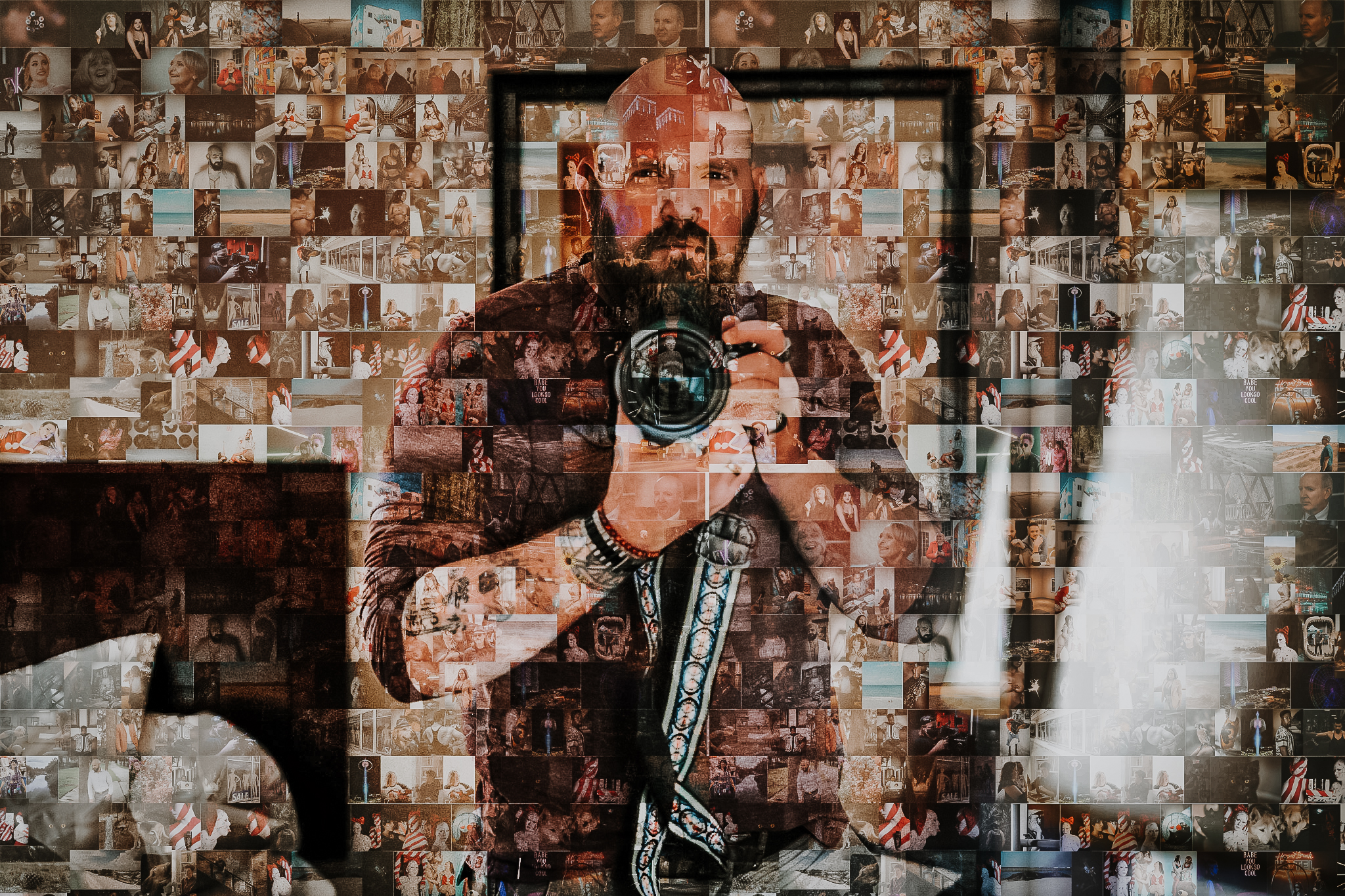
Is Capitalism Quietly Destroying Photography?
Is Capitalism Quietly Destroying Photography?

I had a thought this morning, the kind that sneaks in before coffee and refuses to leave. Is capitalism killing photography?
Now, before you roll your eyes or grab your economics textbook, hear me out. Capitalism is good at one thing: finding where the money is hiding and setting up camp. And once it sniffed out photography, well, it went wild.
Take the selfie stick. Once the punchline of every tourist joke, it became a symbol of our times, a tool for a problem we created ourselves. As Alex Cooke wrote:
That line hit me. Hard.
Because Cooke goes on to talk about how the rental world has jumped in to feed this compulsion. Fake luxury, available by the hour, private jets, mansions, and infinity pools, all ready for your perfect photo. Entire “Instagram-ready” studios built for the lens, not for living. A place to pose as the person you wish you were.
And then came the line that stuck in my brain like a splinter:
That one hurt, because it’s true.
If people keep chasing the next camera instead of mastering the one in their hands, the market will adapt. Cameras will get “smarter” but not better. They’ll be built for convenience, not craft — another product made to be replaced. Once-solid metal frames become plastic shells. Once-honest tools become toys.
And worse, we’ve started handing our artistic instincts over to machines. AI now tells us how to edit, how to crop, even how to feel about our own photos, but it steals our unique fingerprints off our work.
I remember when my wife told me she could spot my photos instantly. She said she could tell by the way I saw light, the angles, the quiet moments, the mood. That was my style. My thumbprint on the world.
AI can’t do that. It edits your photo the same way it edits a thousand others. It flattens everything into one uniform aesthetic.
And so we end up here: in a glossy, fake paradise where influencers rent jets by the hour and everyone’s “authentic” life looks suspiciously identical. Capitalism sells us a dream, and we take the picture.
I don’t think we can stop it, not completely. But I do think we can fight back in small, stubborn ways. By learning. By practicing. By getting it wrong, and then getting it right. By falling in love with the process again.
Because the long, messy journey of figuring out how to use your camera, how to really see, that’s where the art lives. That’s where you live.
And no algorithm, no rented jet, no plastic camera will ever be able to fake that.
I Deleted Spotify and Time-Traveled to 2005
If you’d told me a couple of years ago that I’d be downloading music again and organizing playlists like it was 2005, I’d have laughed and asked if my Myspace profile was still up too.
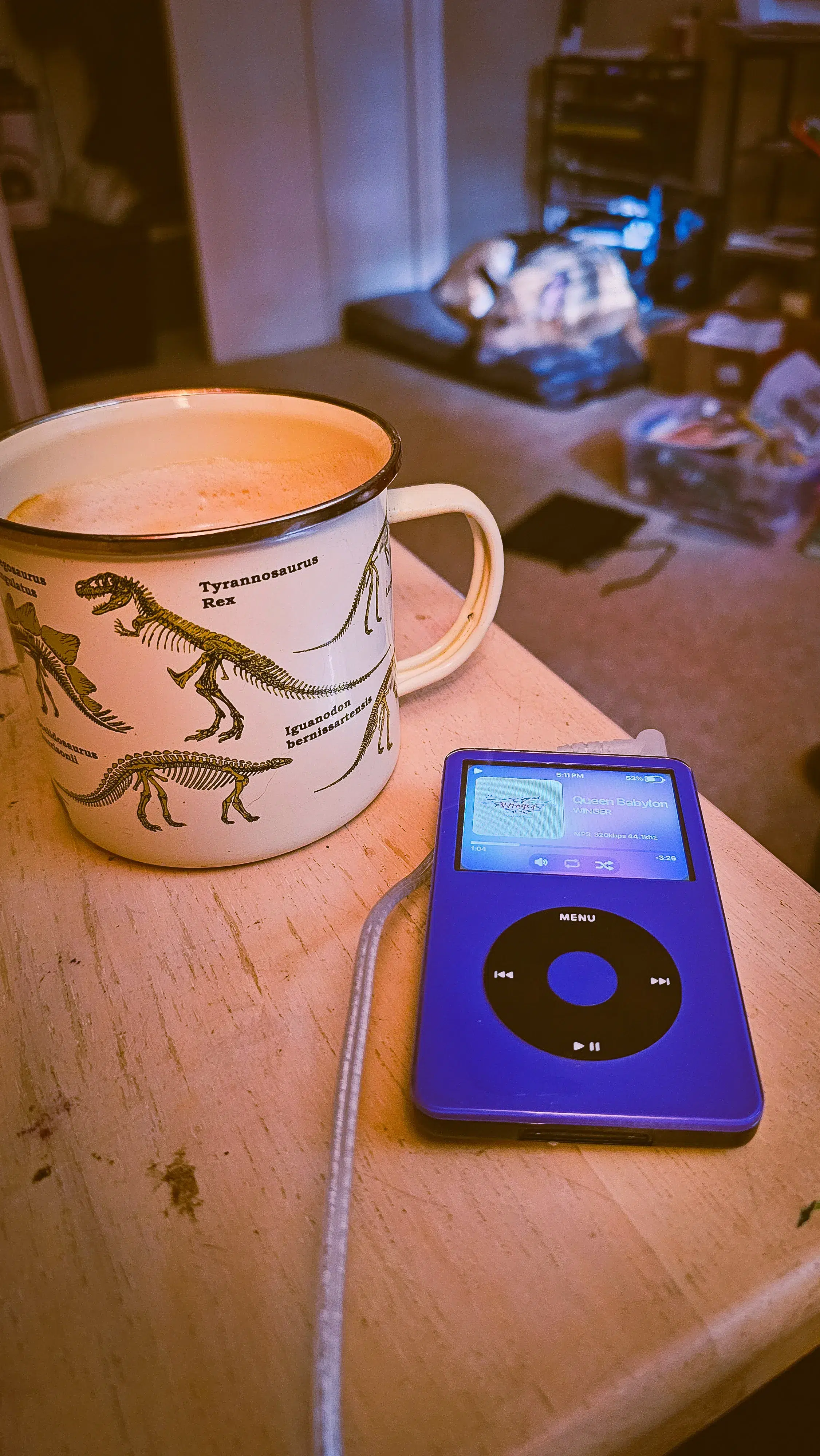
And yet, here I am in 2025, holding a refurbished iPod like it’s a holy relic. It’s got a new battery, its storage runs on an SD card instead of a hard drive, and it’s not even running Apple software anymore. Nope. It’s using an open-source program called Rockbox that cuts every last tie to iTunes or Apple. I can buy music online, drag it into folders, and boom, it’s on my iPod. No cloud, no subscription, no algorithm.
Why? Oh, I’ve got my reasons.
1. Spotify broke my brain.
It gave me endless music, but somehow I stopped really listening. I was always chasing something new, skipping around from one “related artist” to another like a caffeinated goldfish. Songs I loved just floated by, liked, saved, forgotten. Nothing stuck. But when I listen to music I own, on a device that’s not connected to the internet, I have to live with it. Sit in it. Really enjoy it.
2. I hate being spied on.
Every app these days wants to know everything, where you are, what you’re doing, what you had for breakfast, and who you DM’d about it. And yes, I know how that sounds, like I’m one tin-foil accessory away from a conspiracy convention, but it’s still true. Companies track everything. Spotify’s no different. My iPod, though? It doesn’t even know the internet exists. It’s gloriously off-grid. Just me and my music.
3. It’s just cool.
There’s something about scrolling that click wheel, hearing the tiny “tck-tck-tck” of navigation, plugging in wired headphones, and hearing your music the way you chose it. It’s tactile, deliberate, satisfying.
 But here’s the thing, it didn’t have to turn out like this. I remember when Facebook, Netflix, and Spotify felt exciting, full of promise. Facebook was supposed to be our digital scrapbook. Netflix, the endless movie library. Spotify, the great music archive.
Instead, we got… ads, subscriptions, and tracking. Facebook turned into a junkyard of clickbait and chaos. Netflix got swallowed by a dozen streaming clones, all charging twenty bucks a month. Spotify built an empire and somehow forgot to pay the artists fairly. The bright digital future we were promised ended up feeling more like a Black Mirror rerun.
So, I’m stepping off the ride. I’m building my own little media world again. Buying music. Buying DVDs. Real books, not Kindle files. And instead of living on social media, I’m posting my work and thoughts here, on my own site, no algorithms attached.
Maybe it’s old-fashioned. Maybe it’s weird. But it feels good. Real. Mine.
So if you need me, I’ll be at my desk, putting together another playlist, wired headphones in, world tuned out, and completely content.
Till next time... keep it analog, my friends.
Going Back to College
I saw a post on Instagram today, a friend of mine working on her graduate degree, surrounded by a glorious mess of books, notes, and half-drunk coffee cups. The kind of photo that screams, “I’m learning important things and losing my mind in style.” I’m genuinely happy for her. Really. But I’d be lying if I said there wasn’t a little sadness tucked in there too.
 I never graduated from college. I’m the only one in my family who didn’t, and most of my friends have more degrees than a thermometer. My gaming squad, the people I play Fortnight and Helldivers II with, includes a handful of folks with Masters and PhDs. And then there’s me, proudly waving my high school diploma like it’s a backstage pass to the wrong concert.
Truth is, I wasn’t encouraged to go to college. I barely limped across the high school finish line, and if I’m being honest, school and I just never really clicked. But not going to college has haunted me for most of my adult life. A quiet little ghost that likes to whisper, “Hey, remember that thing you didn’t do?” I’ve lost job opportunities because of it, some that I was more than qualified for. It’s a weird feeling, being told you’re not enough because you didn’t spend a fortune proving you could follow instructions and stay awake through lectures.
Every once in a while, I’ll start daydreaming about going back. I’ll scroll through college websites, poke around the programs, and imagine what it’d be like to finally finish something I started a lifetime ago. But then reality barges in, college is expensive, life is busy, and time feels like an endangered species. If I did go back, I’d want to give it everything. But that would mean giving up the little pieces of free time I’ve fought to protect.
Maybe someday I’ll figure it out. Maybe I’ll go back, get that degree, hang it on the wall just to make peace with that ghost. Or maybe I’ll keep doing what I’ve always done, learning the hard way, carving my own crooked little path through the world.
Either way, I’ll keep growing, even if it’s not on anyone’s syllabus.