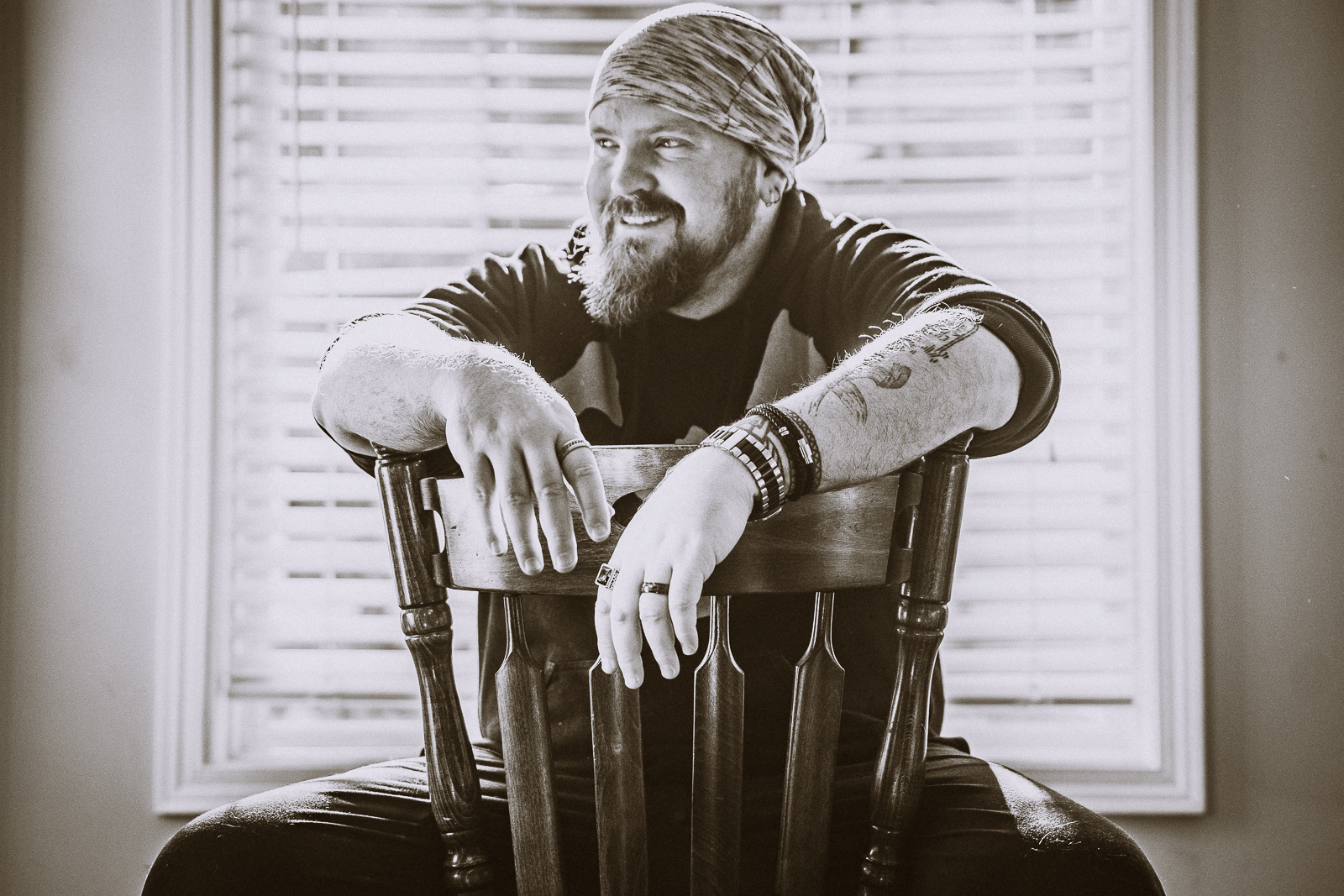
Adam Scott's Obituary
Last year, a therapist I was seeing, asked if I'd ever written my own obituary or eulogy. I hadn't, but the idea intrigued me, so, I wrote a few words. That was a year ago, and today I revisited those words, and I thought I would share them here.
Adam never liked funerals. He thought they were strange little plays for the living, polite performances where people finally said all the things they never managed to say while you were still around to hear them.
But Adam tried to showed up. Always, and everyday. For the people he cared about, he showed up in big, messy, meaningful ways, often the way he wished someone would show up for him. Most of the time, though, he walked through life solo, figuring things out as he went. No map, no manual, just instinct and a stubborn kind of hope.
He made mistakes. A lot of them. The kind that left dents and bruises, and stories. No one was harder on Adam than he was on himself, but even when life knocked him flat, he somehow kept getting up. And when no one believed in him, that’s usually when he did his best work.
Adam was a cliff-jumper by nature, not the bungee kind, but the metaphorical sort. He’d leap into new ideas and build the parachute on the way down. Sometimes he landed gracefully. Sometimes… not so much. He failed often, at love, at money, at faith. But even when life fell apart, there was always a spark in him that refused to go out.
That spark looked like a camera in his hand, a story half-written at midnight, a sudden burst of inspiration when everyone else had already given up. He was a self-taught writer, a photographer who saw beauty in the broken, and a collector of wild ideas.
If anything true can be said about Adam, it’s that he lived. Not neatly. Not safely. But with heart and curiosity and a little bit of chaos.
And as his favorite Sinatra song goes —
He did it his way.


I Accidentally Became a Photographer (and It Kind of Worked Out)
I stumbled across a quote today from Annie Leibovitz that said:
And I thought, same Annie, same.
It reminded me of something I haven’t thought about in years. I’ve talked about it before, but over a decade ago, I picked up a camera with the fragile hope of saving a failing marriage. My first wife was a wedding photographer, and I figured maybe, if we shared photography, we might find our way back to each other. Spoiler alert: we didn’t. But what I did find was something entirely unexpected, an obsession, and a love of photography that rewired how I saw the world.
In those early days, I was insatiable. I carried a camera with me everywhere like a secret I couldn’t stop telling. I bought roses at the grocery store just to photograph their colors. I spent twenty minutes outside a library circling a tree like it was some sacred relic of light. I photographed sunsets, boats, log piles, whatever stood still long enough to let me.

But more than anything, I wanted to photograph people. I’d scroll endlessly through Tumblr, lost in that dreamy haze of aesthetic portraits, and I wanted, desperately, to make something that beautiful too. The only problem: who was I going to photograph?
So I asked everyone. Friends, coworkers, anyone who made the mistake of standing too close while I had a camera in hand. I’m sure I drove people insane. Some said yes, a few said no, and those no’s stung more than I’d like to admit. I still remember one friend politely declining a family session I offered. I hung up the phone, flushed red, and sat there embarrassed for days.

But I kept shooting. And shooting. And shooting. Over and over. Failing often, learning always.
Fast forward to now, and I’ve worked with models, celebrities, businesses, brands, conventions, people and projects I never would have dreamed of back then. When I look back over it all, the countless photos, the mistakes, the small victories, it’s honestly overwhelming.
Because every tiny choice, every photo that seemed insignificant at the time, built into something bigger than I ever planned. A decade of moments, stitched together in light and memory.
And sometimes, just like Annie said, I look at it all, and I’m intimidated too.

AI Is Ruining Everything
AI Is Ruining Everything (But Maybe It’s Our Fault)
Anyone else remember the early days of Facebook? Back when we were all wide-eyed and hopeful, convinced social media would connect the world and make us smarter, kinder, maybe even better-looking? Every few months, Facebook would roll out some massive update — new buttons, new features, a brand-new layout that felt like walking into your own house and finding someone had moved all the walls.
And then, right on cue, the “I Liked the Old Facebook Better” groups would pop up by the hundreds. Thousands of us joined, complained, and swore we’d never adapt. Six months later, those same people were complaining about the new update and wishing for the version they’d just spent months hating. The circle of tech life.
That’s where we are with AI now.
AI is evolving faster than we can finish our morning coffee. Every company, website, and gadget seems to be in a panic-fueled sprint to jam “AI” into everything — whether it belongs there or not. It’s like Oprah’s giving it away: “You get an AI! You get an AI! Everybody gets an AI!”
Everywhere you go, there’s a proud little pop-up declaring, “Now with AI!” You can’t turn it off, can’t opt out, can’t even make eye contact with a website without being told it’s “powered by AI.” Does it make anything better? Not really. But does it make the marketing team feel futuristic? Absolutely.
And honestly, it’s not just companies doing this. We’re all a little guilty.
I sat in on a sales call recently where the potential customer, after watching a flawless demo, asked, “Does your system have AI?” The rep asked what kind of AI he wanted. The customer shrugged. “I don’t know. I just want it to have AI.” They went in circles for five minutes — a human conversation that sounded suspiciously like two chatbots talking to each other — until the customer finally said he wouldn’t buy it. Not because it didn’t work. Because it didn’t have “AI.”
So here we are, all of us trapped in the world’s biggest invisible Facebook group: “I Liked the Old Internet Better.” We complain about how AI is taking over, even as we use it every day. And just like those old Facebook users, we secretly know there’s no going back.
AI’s here for good — lurking in our apps, in our photos, probably in our coffee machines. Hopefully one day companies will stop tossing AI into everything just because they can and start using it to actually make life a little better.
Until then, if anyone finds the “turn off AI” button, please DM me. I’ll be over here clicking “Remind Me Later.”
Is Capitalism Quietly Destroying Photography?
Is Capitalism Quietly Destroying Photography?

I had a thought this morning, the kind that sneaks in before coffee and refuses to leave. Is capitalism killing photography?
Now, before you roll your eyes or grab your economics textbook, hear me out. Capitalism is good at one thing: finding where the money is hiding and setting up camp. And once it sniffed out photography, well, it went wild.
Take the selfie stick. Once the punchline of every tourist joke, it became a symbol of our times, a tool for a problem we created ourselves. As Alex Cooke wrote:
That line hit me. Hard.
Because Cooke goes on to talk about how the rental world has jumped in to feed this compulsion. Fake luxury, available by the hour, private jets, mansions, and infinity pools, all ready for your perfect photo. Entire “Instagram-ready” studios built for the lens, not for living. A place to pose as the person you wish you were.
And then came the line that stuck in my brain like a splinter:
That one hurt, because it’s true.
If people keep chasing the next camera instead of mastering the one in their hands, the market will adapt. Cameras will get “smarter” but not better. They’ll be built for convenience, not craft — another product made to be replaced. Once-solid metal frames become plastic shells. Once-honest tools become toys.
And worse, we’ve started handing our artistic instincts over to machines. AI now tells us how to edit, how to crop, even how to feel about our own photos, but it steals our unique fingerprints off our work.
I remember when my wife told me she could spot my photos instantly. She said she could tell by the way I saw light, the angles, the quiet moments, the mood. That was my style. My thumbprint on the world.
AI can’t do that. It edits your photo the same way it edits a thousand others. It flattens everything into one uniform aesthetic.
And so we end up here: in a glossy, fake paradise where influencers rent jets by the hour and everyone’s “authentic” life looks suspiciously identical. Capitalism sells us a dream, and we take the picture.
I don’t think we can stop it, not completely. But I do think we can fight back in small, stubborn ways. By learning. By practicing. By getting it wrong, and then getting it right. By falling in love with the process again.
Because the long, messy journey of figuring out how to use your camera, how to really see, that’s where the art lives. That’s where you live.
And no algorithm, no rented jet, no plastic camera will ever be able to fake that.
I Deleted Spotify and Time-Traveled to 2005
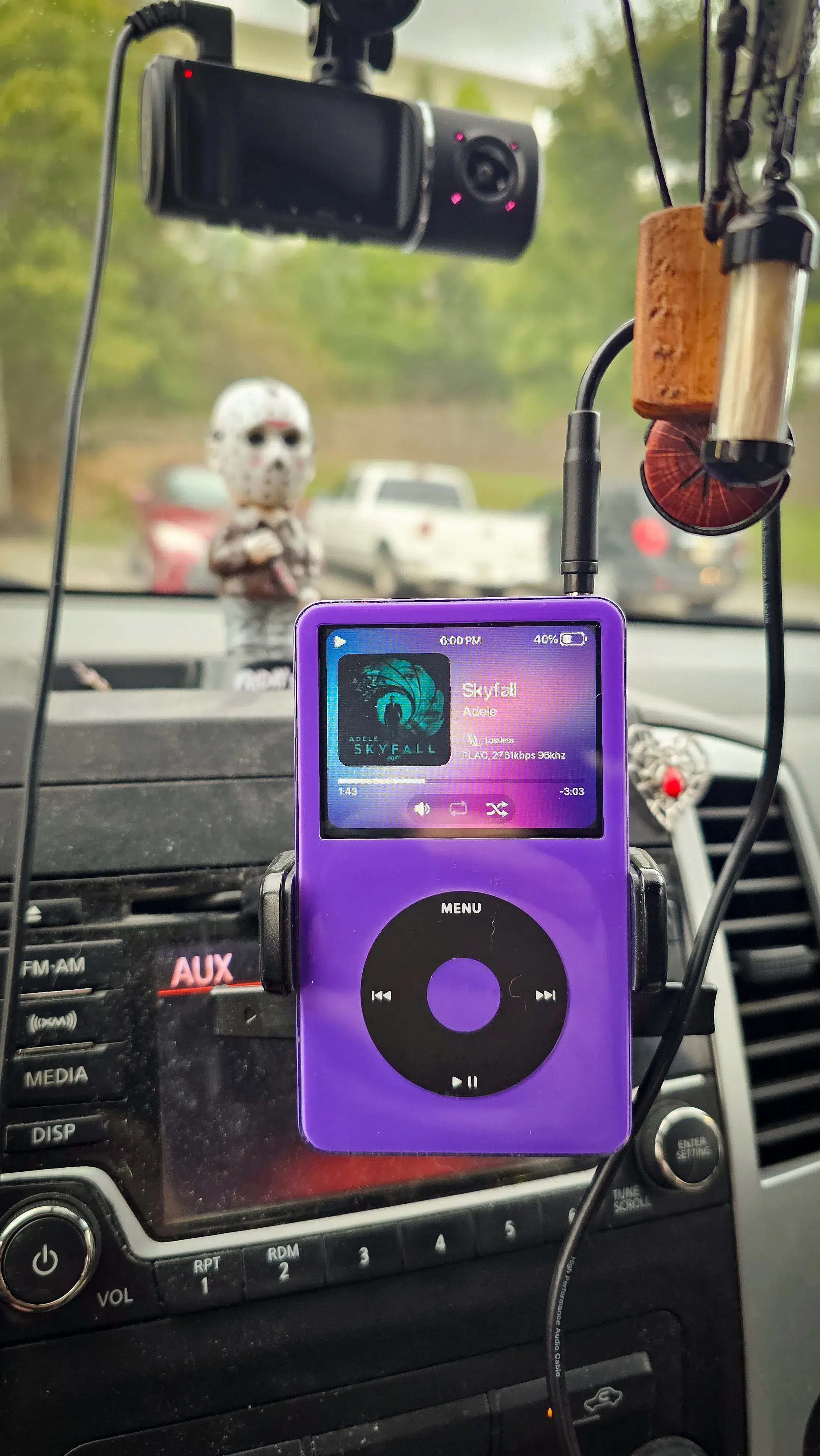 If you’d told me a couple of years ago that I’d be downloading music again and organizing playlists like it was 2005, I’d have laughed and asked if my Myspace profile was still up too.
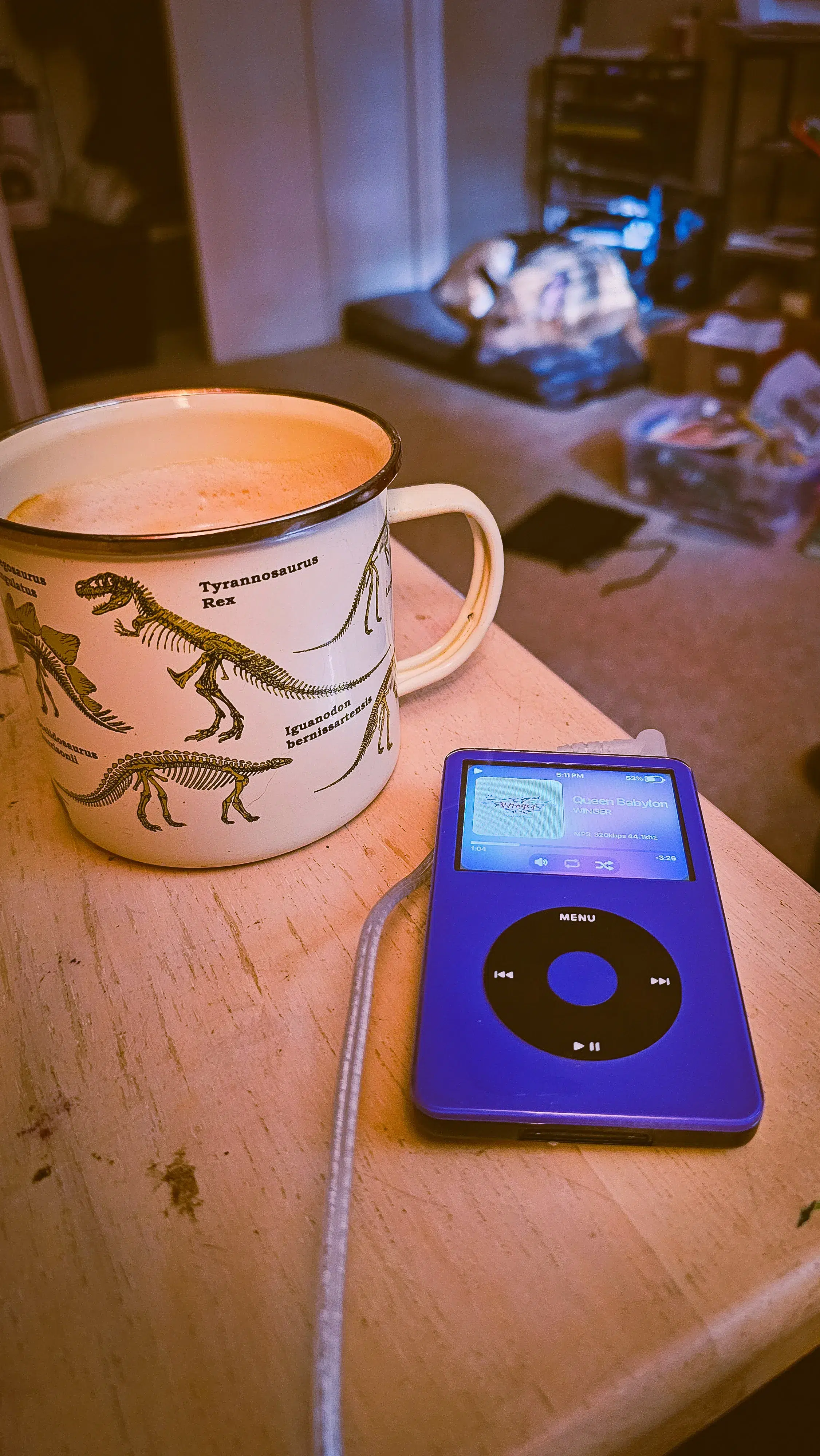
And yet, here I am in 2025, holding a refurbished iPod like it’s a holy relic. It’s got a new battery, its storage runs on an SD card instead of a hard drive, and it’s not even running Apple software anymore. Nope. It’s using an open-source program called Rockbox that cuts every last tie to iTunes or Apple. I can buy music online, drag it into folders, and boom, it’s on my iPod. No cloud, no subscription, no algorithm.
Why? Oh, I’ve got my reasons.
1. Spotify broke my brain.
It gave me endless music, but somehow I stopped really listening. I was always chasing something new, skipping around from one “related artist” to another like a caffeinated goldfish. Songs I loved just floated by, liked, saved, forgotten. Nothing stuck. But when I listen to music I own, on a device that’s not connected to the internet, I have to live with it. Sit in it. Really enjoy it.
2. I hate being spied on.
Every app these days wants to know everything, where you are, what you’re doing, what you had for breakfast, and who you DM’d about it. And yes, I know how that sounds, like I’m one tin-foil accessory away from a conspiracy convention, but it’s still true. Companies track everything. Spotify’s no different. My iPod, though? It doesn’t even know the internet exists. It’s gloriously off-grid. Just me and my music.
3. It’s just cool.
There’s something about scrolling that click wheel, hearing the tiny “tck-tck-tck” of navigation, plugging in wired headphones, and hearing your music the way you chose it. It’s tactile, deliberate, satisfying.
 But here’s the thing, it didn’t have to turn out like this. I remember when Facebook, Netflix, and Spotify felt exciting, full of promise. Facebook was supposed to be our digital scrapbook. Netflix, the endless movie library. Spotify, the great music archive.
Instead, we got… ads, subscriptions, and tracking. Facebook turned into a junkyard of clickbait and chaos. Netflix got swallowed by a dozen streaming clones, all charging twenty bucks a month. Spotify built an empire and somehow forgot to pay the artists fairly. The bright digital future we were promised ended up feeling more like a Black Mirror rerun.
So, I’m stepping off the ride. I’m building my own little media world again. Buying music. Buying DVDs. Real books, not Kindle files. And instead of living on social media, I’m posting my work and thoughts here, on my own site, no algorithms attached.
Maybe it’s old-fashioned. Maybe it’s weird. But it feels good. Real. Mine.
So if you need me, I’ll be at my desk, putting together another playlist, wired headphones in, world tuned out, and completely content.
Till next time... keep it analog, my friends.
Going Back to College
I saw a post on Instagram today, a friend of mine working on her graduate degree, surrounded by a glorious mess of books, notes, and half-drunk coffee cups. The kind of photo that screams, “I’m learning important things and losing my mind in style.” I’m genuinely happy for her. Really. But I’d be lying if I said there wasn’t a little sadness tucked in there too.
 I never graduated from college. I’m the only one in my family who didn’t, and most of my friends have more degrees than a thermometer. My gaming squad, the people I play Fortnight and Helldivers II with, includes a handful of folks with Masters and PhDs. And then there’s me, proudly waving my high school diploma like it’s a backstage pass to the wrong concert.
Truth is, I wasn’t encouraged to go to college. I barely limped across the high school finish line, and if I’m being honest, school and I just never really clicked. But not going to college has haunted me for most of my adult life. A quiet little ghost that likes to whisper, “Hey, remember that thing you didn’t do?” I’ve lost job opportunities because of it, some that I was more than qualified for. It’s a weird feeling, being told you’re not enough because you didn’t spend a fortune proving you could follow instructions and stay awake through lectures.
Every once in a while, I’ll start daydreaming about going back. I’ll scroll through college websites, poke around the programs, and imagine what it’d be like to finally finish something I started a lifetime ago. But then reality barges in, college is expensive, life is busy, and time feels like an endangered species. If I did go back, I’d want to give it everything. But that would mean giving up the little pieces of free time I’ve fought to protect.
Maybe someday I’ll figure it out. Maybe I’ll go back, get that degree, hang it on the wall just to make peace with that ghost. Or maybe I’ll keep doing what I’ve always done, learning the hard way, carving my own crooked little path through the world.
Either way, I’ll keep growing, even if it’s not on anyone’s syllabus.
Hanging On
It’s rare for me to come across something online that actually makes me feel connected, to the writer, to the words, to that quiet hum under everything. But yesterday I stumbled across an article by Claire Huish, and I thought, finally, someone has put into words a feeling I’ve carried for years but never quite named.
The line that stopped me was this:
I felt that. Deeply.
Sitting in a long plastic storage box in my closet is what remains of my childhood, the entire archaeological record of my early life. A few Asian coins my dad brought back from a business trip. A couple of $2 bills. A few old school papers written in a shaky hand that still believed cursive would matter forever. Some photos. Odds and ends.
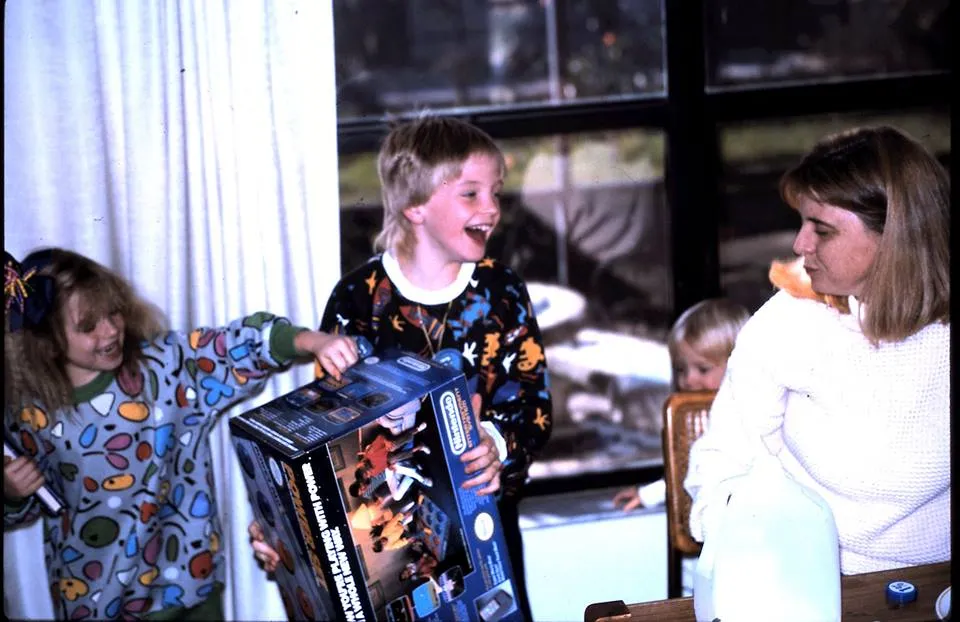
 The rest is gone. Some given away (like my original Atari and Nintendo). Some lost to tragic accident (a 500-disc CD changer I sold on eBay… with all 500 CDs still inside). And some just quietly vanished when I left home for a mission with the Mormon church. My room was packed up, my sister moved in, and my things? Scattered to the wind.
The worst loss came years later, during my divorce. I was broke, bills, rent, the whole mess, and had to hold a garage sale that felt like auctioning off pieces of myself. My Magic: The Gathering cards went to a friend’s kid. My first armored fighting helmet, the one from my days sparring with The Knight Order of the Fiat Lux, sold for next to nothing. Even my expensive curtains went for pocket change. Everything I owned became survival fuel.
Maybe that’s why I hold onto things so tightly now. The dozen or so photo prints thumbtacked to my wall, the journals stacked like quiet witnesses of time, the books that somehow made it through every loss. They’ve become little anchors, proof I was here, that I lived, that I carried something forward.
I don’t like replacing things. I blame The Brave Little Toaster. That movie convinced me my belongings might get sad if I abandoned them. But if I’m honest, it’s not about the stuff. It’s about what they hold, the memories stitched into them, the moments that might otherwise fade if I let them go.
Every object I keep is a small declaration: I was here once. I saw things. I loved things.
And after years of losing so much, maybe hanging on is just my way of saying, to myself, to time, to the universe — I’m still here.

What I Am Continuing to Give Energy To
What I Am Continuing to Give Energy To
At the beginning of this year, I had a list of goals, things I wanted to learn, build, or become. Some of those goals I’ve done well with. Others… not so much. Occasionally, I like to stop, take inventory, and ask myself where my energy is actually going, and whether that’s where I want it to go.
This is a summary, or perhaps a quiet confession, of what I’ve decided is still worth giving energy to.
Socializing
When my wife and I moved to Georgia in 2023, I unintentionally became a hermit. I rarely left the house, and when I did, it was usually to wander around alone — the quiet explorer type, armed with a camera and far too many thoughts. I missed my friends in Florida, and, truthfully, wasn’t ready to start over socially.
But as 2025 began, I decided that needed to change. “Be social,” I told myself, which sounded simple until I had to, you know, do it.
So, I started attending the monthly ATL Shooters events, organized by a fellow photographer named Tony. He picks locations, brings together photographers and models, and somehow makes the whole thing feel like both a creative playground and a social gathering. I’ve met incredible people there, seen inspiring work, and I think — I think — I’ve even made a few friends.
As 2025 winds down and 2026 prepares for her grand entrance, I plan to keep showing up. Keep talking. Keep practicing the strange art of human connection. It’s worth the effort, awkward small talk and all.
Organizing Themed Photo Shoots
For the last several years, I’ve loved organizing themed photoshoots, little cinematic experiments that bring my imagination to life. This year has been no exception.

Through ATL Shooters, I met some wonderful models and hosted a “Bond Girl” photoshoot with MacKenzie, Heather, Morgan, and Hunter. A while later, Heather and I finally made it to Shoal Creek Falls for that waterfall shoot we’d been planning. This month, I have shoots scheduled with Sammi, Maeve, and Gabrielle down in Florida, and in November, I’ll be part of an LGBTQ+ swimwear catalogue rebrand, which still feels a little surreal to say.
There are a dozen more concepts swirling in the back of my mind... a laundromat shoot, something Christmassy, a maternity concept, a dark femme fatale series, and more. I have no plans to stop dreaming them up. If anything, the list just keeps getting longer.
Continuing to Learn Art
 One of my goals for 2025 was to study art more deliberately, to dive into art history and teach myself to draw. It sounded romantic in theory. In practice, art history books have the unique power to put me to sleep faster than melatonin. I’ll read a few pages, realize I’ve absorbed nothing, go back, try again, and drift off somewhere around page two.
So, I’ve decided to meet my brain where it lives, in chaos, and explore art history through YouTube channels instead. Maybe that’ll stick better.
As for drawing, progress is slow but real. I have no natural talent, but I’m stubborn, and there’s something grounding about learning a skill that refuses to come easily.
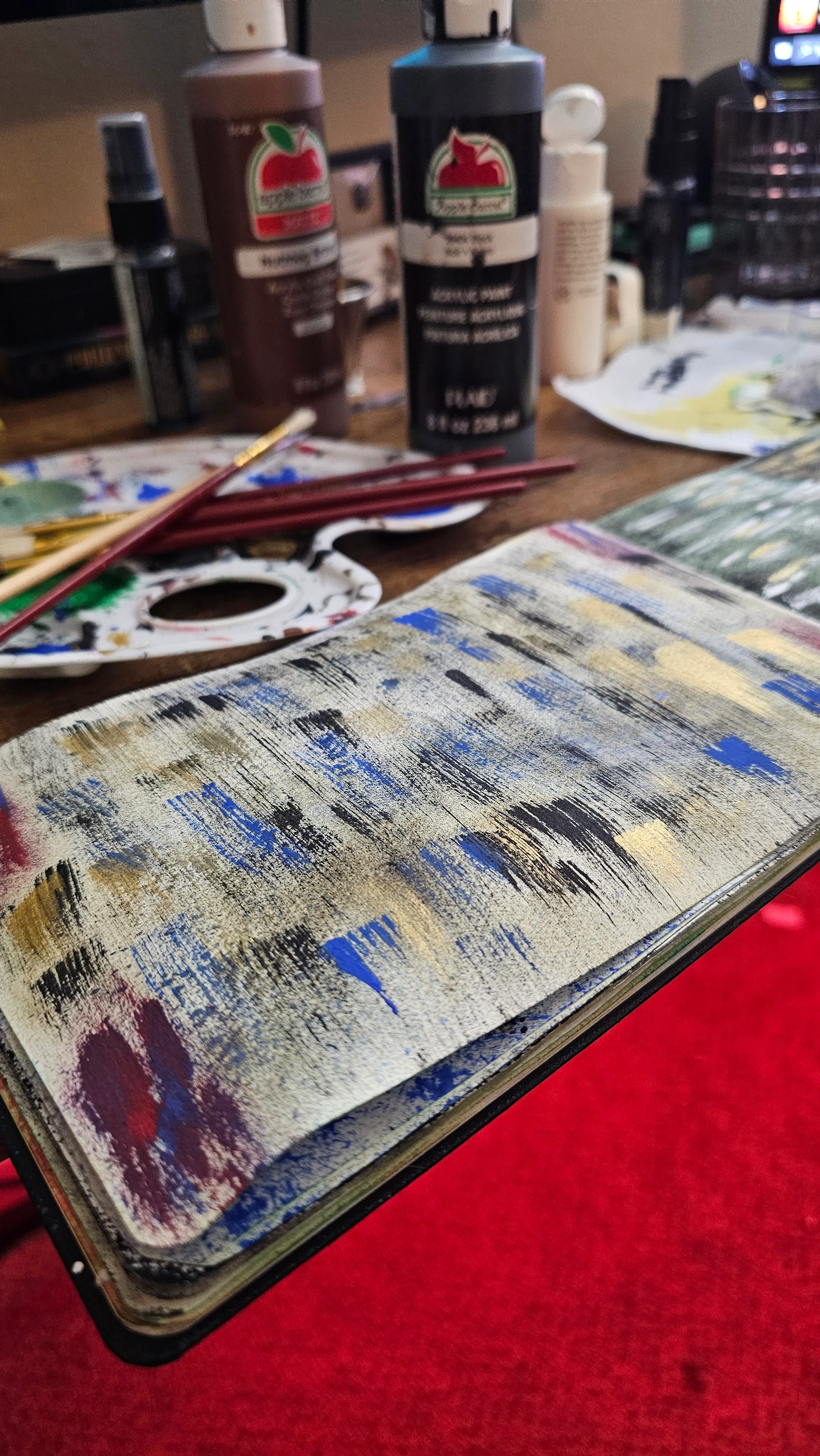
Lately, I’ve also fallen in love with art/junk journaling, the deliciously messy act of gluing scraps and smearing paint across a page until it looks like emotional archaeology. It’s cathartic, unplanned, and I have no intention of stopping. If anything, I suspect my journal pages are only going to get more unhinged as time goes on, and I’m perfectly fine with that.
I Will Continue Going to Therapy
Let’s be honest: I am, like most humans, a bit of a work in progress, cracked in interesting places. Some of that damage is my doing, some of it isn’t, and some of it is just life being life.
This year I found a new therapist. She’s excellent, brilliant, kind, and slightly sadistic in the best way possible. She’s helping me dig into things I’ve buried so deep they probably have fossils by now.
I believe therapy matters. Life is hard, and being human is harder. None of us make it through without scars, and having a place to unpack them safely feels necessary. I don’t know if I’ll ever reach a point called “healed.” I’m not even sure that’s the goal. But I am committed to the process, one difficult conversation at a time.
Using My Phone Less
At the start of the year, I made a noble (and wildly optimistic) g

oal to limit my phone use to one hour per day. Naturally, I failed spectacularly.
But the experiment wasn’t a total loss. In fact, some good things came out of it.
First, I started using Spotify less because I finally bought a modded iPod — newbattery, SD card storage, the whole nostalgic package. I’d missed that feeling of listening to music without algorithms lurking nearby, taking notes. Just me, my iPod, and the soundtrack of my day.
Second, I’ve stopped scrolling during shows or movies. For years I’d multitask entertainment, barely absorbing either thing. Now, I try to actually watch what I’m watching, and it turns out, stories are more enjoyable when you’re present for them.
So yes, I’m still on my phone more than an hour a day, but less than I used to be, and that feels like progress worth celebrating.
So What Will the Future Bring?
No idea. I stopped trying to predict the future years ago, she’s too unpredictable, too fond of plot twists.
But I do know this: I plan to keep doing these things. To keep showing up for art, for people, for healing, for myself. To keep finding the things that give energy back instead of draining it away.
The rest will reveal itself in time. It always does.
Adam Scott, I'd Like To Have A Word With You
Adam Scott, I'd Like To Have A Word With You!
There are days when I’d give anything for a brief stroll through time, just long enough to grab my former self by the shoulders and ask, “How could you do this to me?!” Perhaps even shake him dramatically for good measure. But alas, time travel remains inconveniently theoretical, and we are forever bound to suffer the consequences of our own artistic chaos.
 I’ve been writing on this blog for what feels like several geological eras, since around 2005 or 2006, back when “blogging” was the digital equivalent of carving your thoughts into the primordial internet stone. It was a strange, lawless time: I posted memes before memes had names, links to odd corners of the web, photos that had no business being uploaded at 480p, and the occasional earnest post for flavor. It was messy, delightful, and entirely emblematic of the early 2000s, a glorious digital attic that I now regret not labeling properly.
Earlier this week, WordPress (my ever-patient jailer) gently informed me that my media library was nearing its storage limit. Apparently, two decades of memes, photos, and questionable creative decisions take up space. Many of those early posts have long been archived into oblivion, maybe still haunting The Wayback Machine like digital ghosts, but their files have lingered, bloating my library like unwashed laundry.
And so, yesterday, I began the task of cleaning it all up. It’s tedious, soul-numbing work, and I can feel my younger self laughing somewhere in the background, blissfully unaware that “future me” would one day be untangling his digital mess.
The first thing I discovered? There isn’t a single free, user-friendly plugin that will clean, organize, and optimize your media library. Oh, there are plenty that claim to, but they all seem to require a subscription, a blood pact, or a minor in computer science. The second thing? Past Adam was a disaster when it came to labeling. No titles. No descriptions. No alt text. No SEO. Just a parade of unmarked JPEGs floating in the void like lost souls.
So here I am, naming, tagging, resizing, and redeeming thousands of wayward images, one by one. It’s a slow, purgatorial process, and I have no one to blame but my own youthful enthusiasm and complete disregard for metadata.
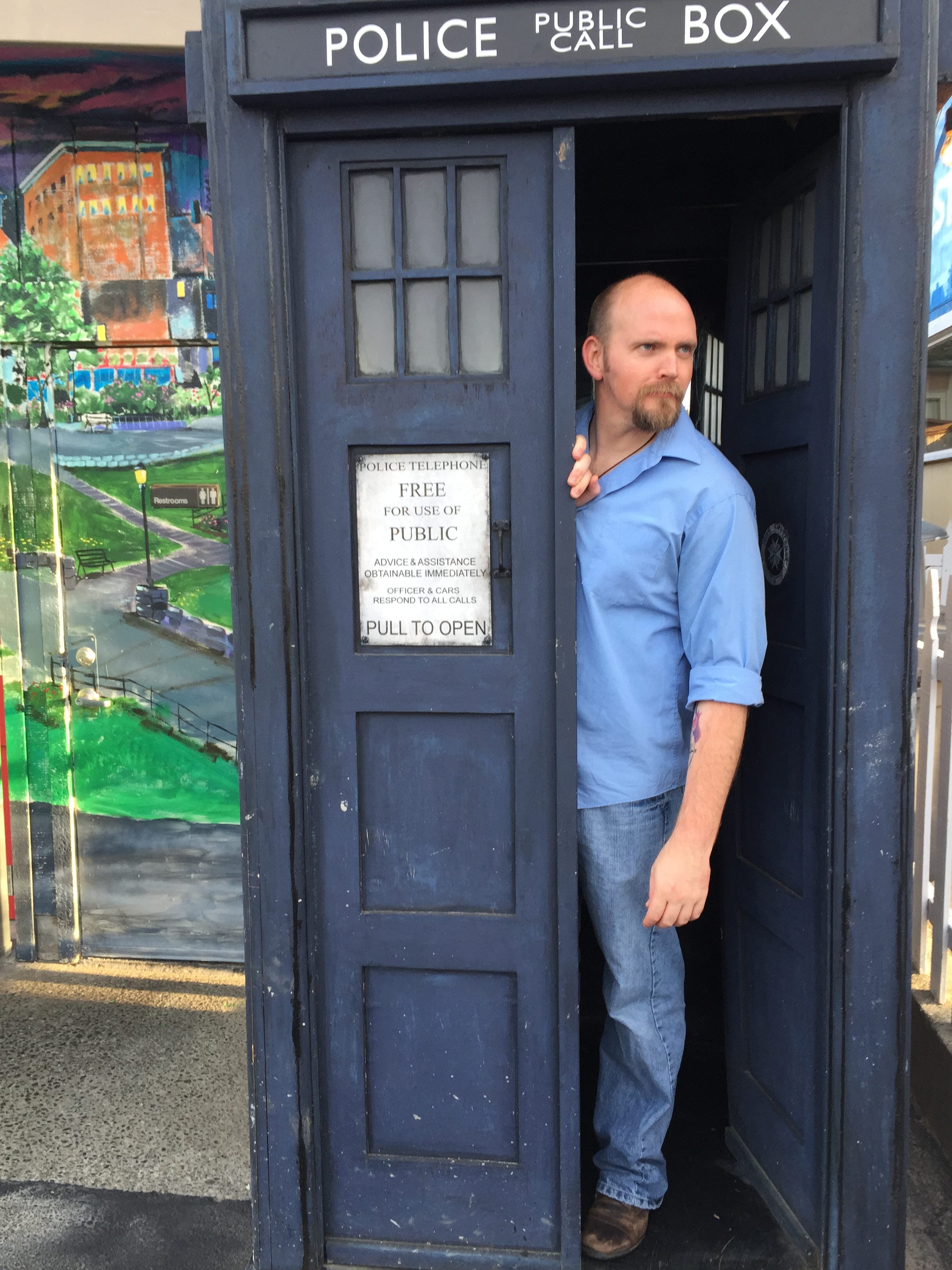
If anyone out there happens to stumble upon a TARDIS, a flux capacitor, or a suspiciously glowing amulet that whispers secrets of temporal travel, do let me know. I have a few sternly worded, possibly expletive-laced things I’d like to say to 2006 Adam.

Spirit Halloween on 35mm Film
Spirit Halloween on 35mm Film
I took my old Olympus mju ii point-and-shoot 35mm, into a Spirit Halloween store. Honestly, I wasn’t expecting much. Just some fun shots of skeletons, masks, and the chaotic aisles of seasonal weirdness. But film has a way of catching ghosts you don’t see until later.
When I got the scans back, the photos were nothing like what I thought I’d captured. They came out gritty, raw, almost dirty in a way that feels too perfect for Halloween. A cheap mask looks like something cursed. A plastic skeleton feels like it’s waiting for the lights to go out so it can move. Even the props, mass-produced and over-the-top—carry this dingy, haunted vibe you’d never expect in the bright chaos of a store.
And that’s what I love about it.
Film always surprises me. It doesn’t care about perfection or control, it leans into the flaws, the blur, the shadows, the dirt in the frame. That’s where the magic happens. In a world that polishes everything smooth, there’s something thrilling about images that feel a little unhinged, a little haunted. Spirit Halloween is chaotic enough on its own, but through the lens of 35mm film, it becomes something else entirely: a lo-fi fever dream where the plastic monsters feel just a bit too real.
That’s why I keep coming back to film. It makes even the fake look real, and sometimes, realer than I bargained for.
[ngg src="galleries" ids="66" display="thumbnail"]